

When the weather turns cold and you know your car will be sitting for weeks or months, simply parking it and walking away is not the best plan. Long periods of inactivity can affect the battery, tires, fuel system, fluids, and even the interior of a vehicle.
Winterizing your car before placing it into storage can help reduce the chances of dealing with a dead battery, flat-spotted tires, stale fuel, or other unpleasant surprises when you are ready to drive again.
Whether you are storing a classic car, convertible, seasonal vehicle, or an extra family car for the winter, a little preparation can go a long way.
Give Your Car a Thorough Cleaning
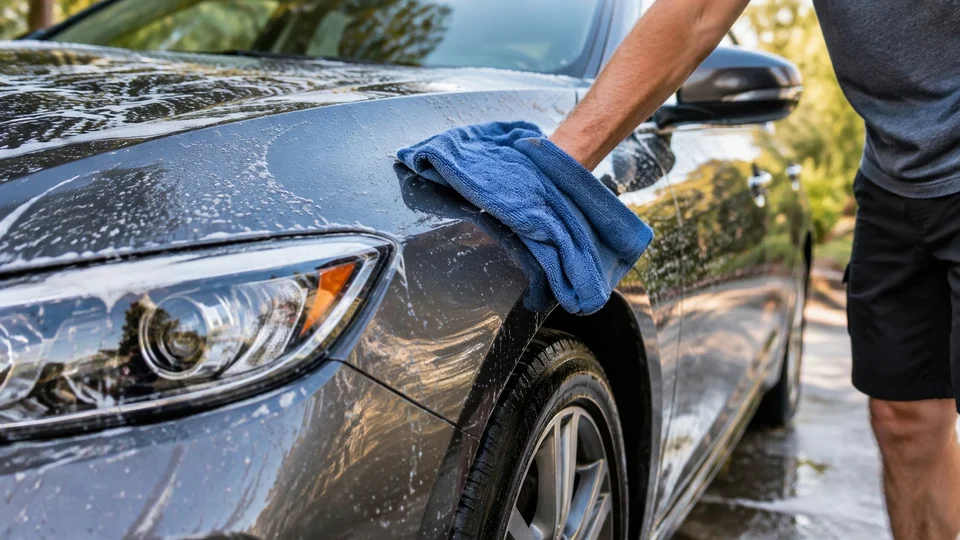
Start with a clean vehicle.
Wash the exterior to remove dirt, road grime, bugs, bird droppings, and other debris that you do not want sitting on the paint for an entire season. Pay attention to the wheels and wheel wells as well, especially if the vehicle has recently been driven on roads treated for winter weather.
Once the exterior is clean, make sure it is completely dry before putting the vehicle away.
Do not forget the inside. Remove food, garbage, reusable cups, gym bags, and anything else that could create odours or attract pests. Vacuum the seats, carpets, and floor mats and wipe down interior surfaces.
It is much nicer to uncover a clean car in the spring than discover the coffee cup you forgot about several months earlier.
Check the Oil and Other Fluids
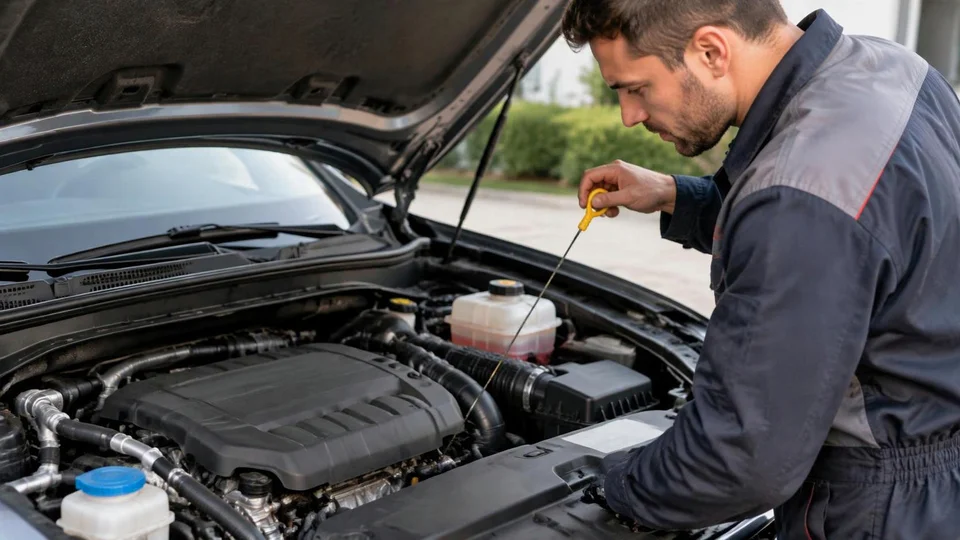
Before storage, take a look at your vehicle's maintenance schedule.
If an oil change, coolant service, or another maintenance item is already due, it may make sense to handle it before putting the car away. AAA recommends addressing fluid maintenance that is due before extended storage.
Check coolant, brake fluid, windshield washer fluid, and other important fluids according to the manufacturer's instructions.
This is also a good time to look underneath the car for any signs of leaks. A small leak is easier to address before storage than after months of fluid dripping unnoticed.
Prepare the Battery
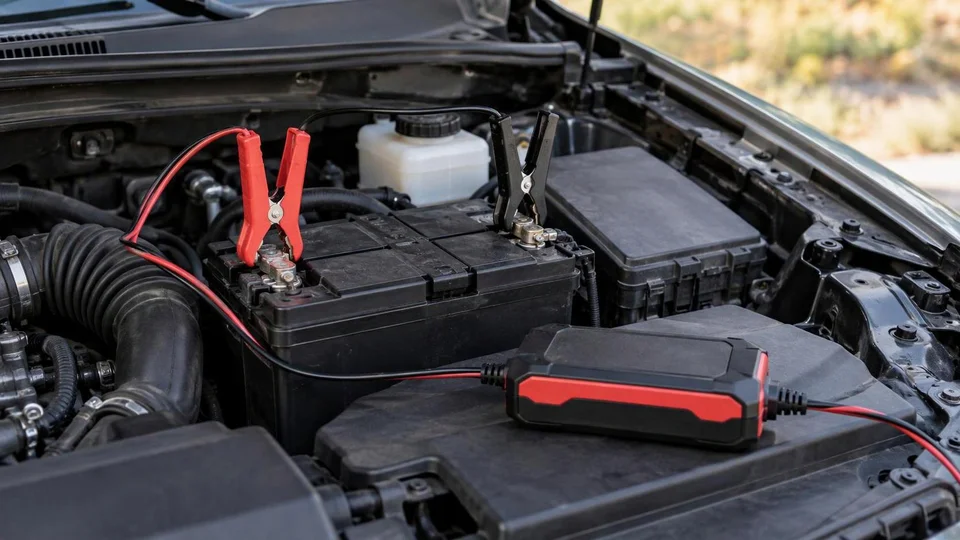
A car battery can gradually lose its charge when the vehicle sits unused, and cold temperatures can make battery performance even more important. AAA notes that vehicles left unused for extended periods can experience battery problems, while NHTSA recommends making sure a vehicle's battery and charging system are in good condition for winter.
For long-term storage, you may have a few options depending on the vehicle.
A battery maintainer designed for long-term use can help maintain the battery's charge. Another option may be disconnecting the battery, although doing so can reset clocks, radio settings, seat memory, and other electronic functions.
Always check your owner's manual before disconnecting a battery, particularly with newer, hybrid, or electric vehicles.
Check Your Tire Pressure
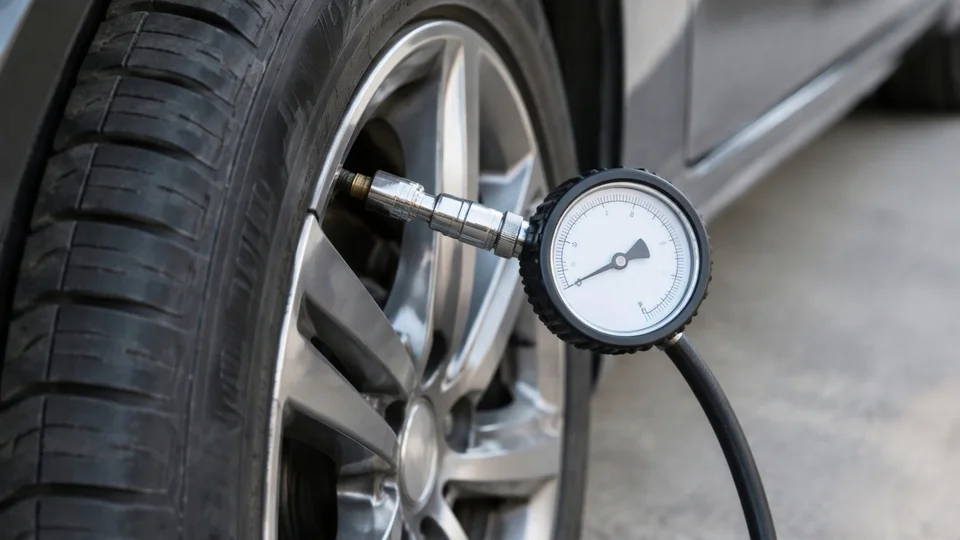
Tires deserve attention before your car sits in one position for several months.
Check the pressure when the tires are cold and inflate them to the pressure recommended by the vehicle manufacturer. That number can usually be found in the owner's manual or on the tire information label inside the driver's door area. NHTSA recommends following the manufacturer's pressure rather than relying on the maximum pressure printed on the tire itself.
Long periods of sitting can also contribute to temporary flat spots. AAA recommends making sure tires are properly inflated before storage and checking their pressure again when the vehicle comes out of storage.
Inspect the tires for cracks, unusual wear, bulges, or other damage while you are at it.
Think Twice Before Setting the Parking Brake
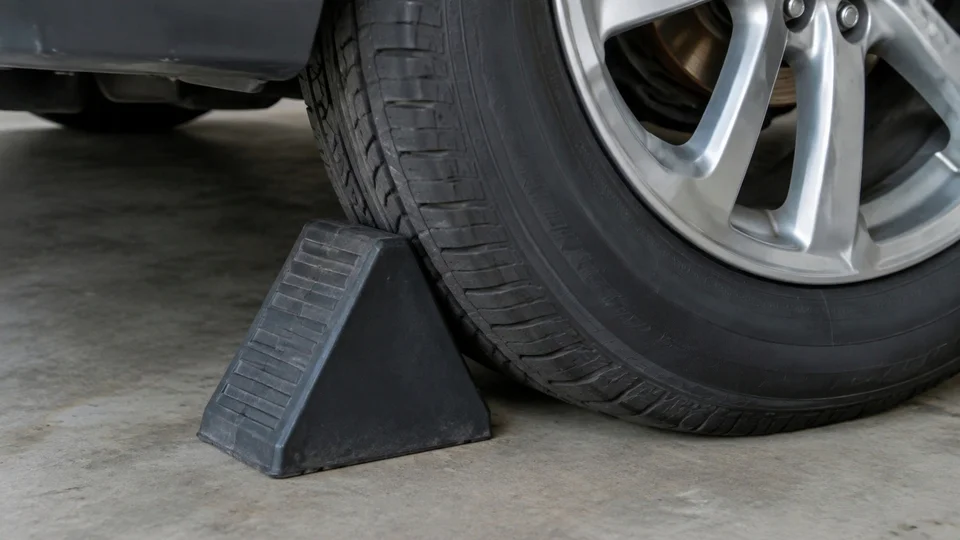
It may seem natural to set the parking brake before leaving your vehicle, but extended storage is different from parking overnight.
Depending on the vehicle and storage situation, prolonged use of the parking brake can potentially contribute to components sticking. Check your vehicle manufacturer's guidance for long-term storage.
If the manufacturer's instructions recommend leaving the parking brake off, wheel chocks may be appropriate to help prevent movement. Use them correctly and make sure the vehicle is parked on a stable, level surface.
Keep Pests Out
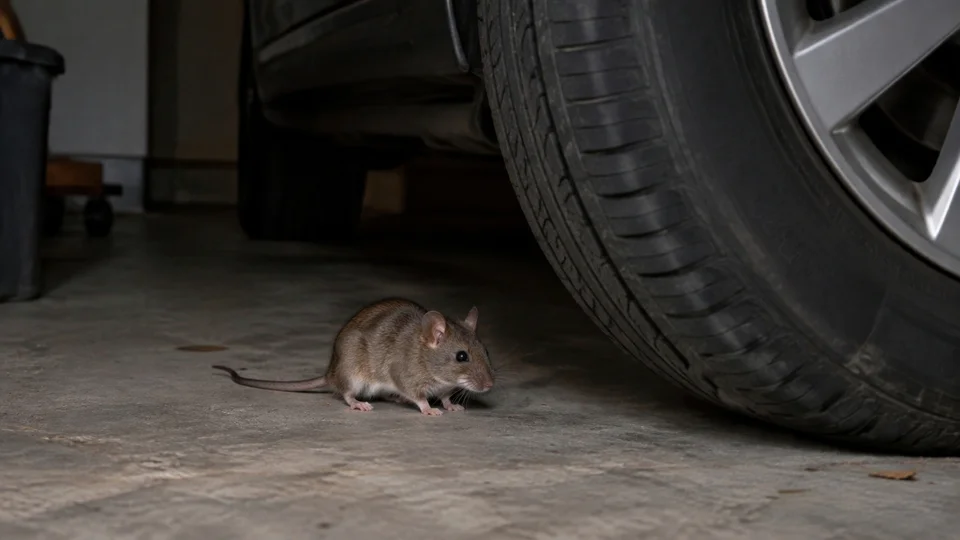
Your car might look like a vehicle to you, but to a mouse searching for shelter in winter, it can look like a warm little apartment.
Remove food and anything with a strong scent from the interior. Make sure windows, doors, the trunk, and sunroof are completely closed.
If the car is stored in an enclosed space, look around the area for gaps or openings where rodents could enter. AAA specifically recommends addressing holes that could allow pests into a garage or storage area.
Be cautious about plugging vehicle openings yourself. Modern vehicles have ventilation, exhaust, drainage, and mechanical systems that should not be blocked without knowing exactly what you are doing.
Decide Whether You Need a Car Cover
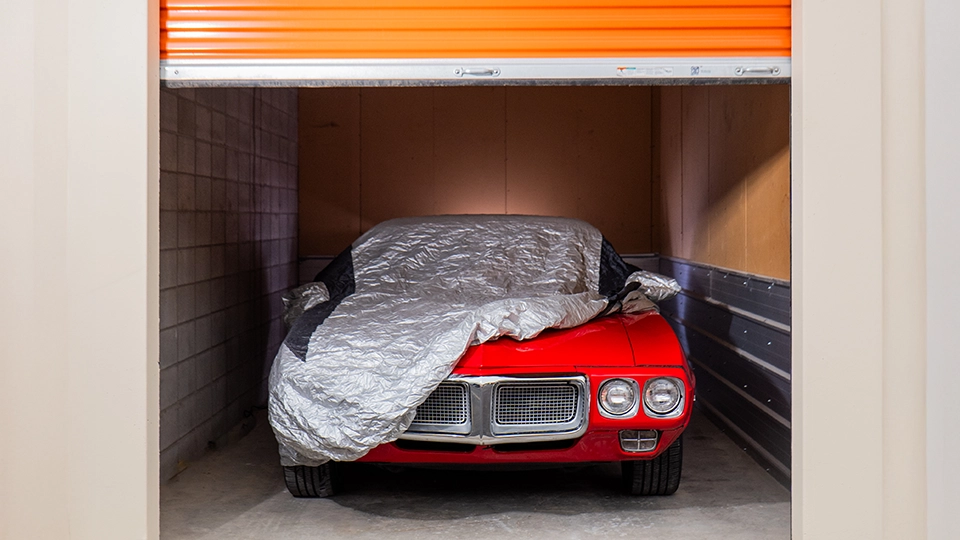
A good car cover can provide another layer of protection against dust and debris.
If you are storing your vehicle indoors, choose a breathable cover designed for indoor vehicle storage. For outdoor storage, use a properly fitted cover specifically intended for outdoor conditions.
Avoid throwing a tarp over the vehicle and assuming it will do the same job. A poorly fitted covering can move against the paint, trap moisture, or provide less protection than expected.
Always make sure the car itself is clean and dry before covering it.
Don't Start the Car Just for a Few Minutes
It can be tempting to occasionally start a stored car, let it idle for five minutes, and shut it off again.
Unless your vehicle manufacturer specifically recommends doing this, short idle periods may not provide much benefit. If you plan to periodically operate the vehicle, follow the manufacturer's recommendations and make sure it can be done safely and legally.
For many vehicles, proper preparation before storage and correct battery maintenance are more useful than occasionally starting the engine without actually driving the car.
Make a Checklist Before You Walk Away
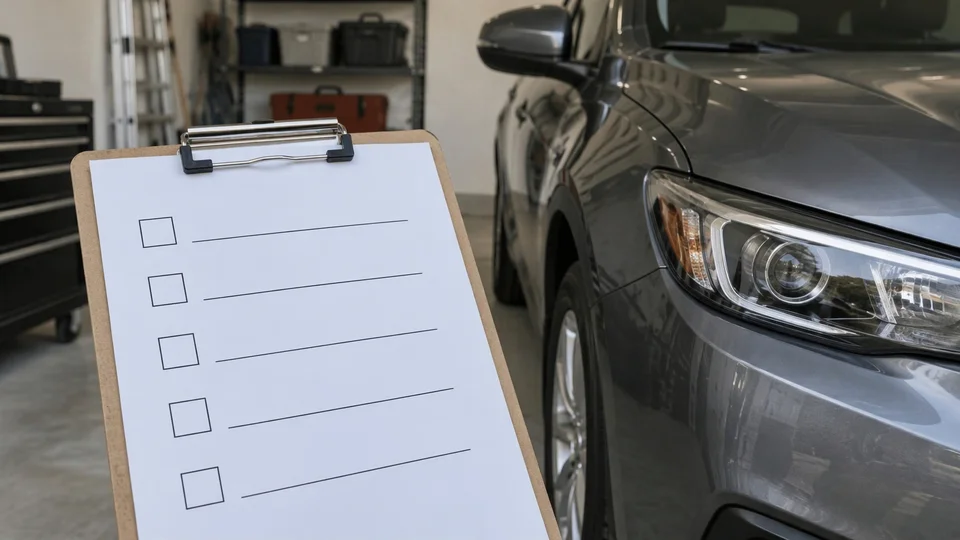
Once your car is prepared, take a final look before leaving it for the season.
Confirm that the windows are closed, belongings are removed, fluids and tires have been checked, and the battery has been prepared according to your chosen storage method.
It can also be helpful to write down what you did. When spring arrives several months later, you may not remember whether you disconnected the battery, added fuel stabilizer, or adjusted anything before storage.
A short note can save you some guessing later.
Find Vehicle Storage With Mini Mall Storage
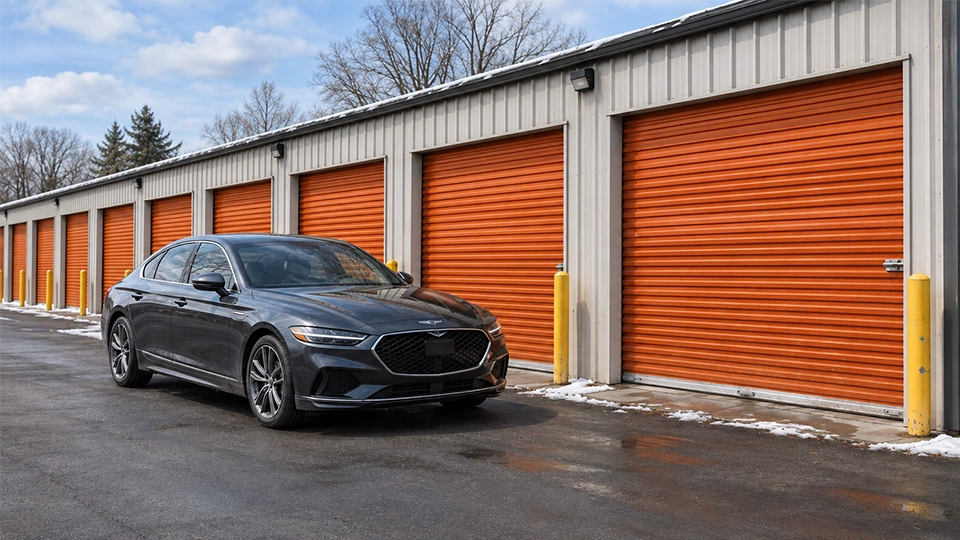
Once your car is winterized, the next step is finding the right place to keep it.
At Mini Mall Storage, we offer vehicle storage options at participating locations for cars, RVs, boats, and other recreational vehicles. Depending on the facility, available options may include outdoor parking, covered vehicle storage, or enclosed storage spaces. Vehicle storage availability, sizes, and features vary by location.
Vehicle storage can be useful for more than classic cars or luxury vehicles. Maybe you have an extra family car taking up the driveway, a seasonal convertible you do not plan to drive through the winter, or a project car occupying space you would rather use inside your garage.
Moving that vehicle into storage can help free up space at home while giving it a designated place to stay until you are ready to drive again.
Before storing any vehicle, always check the facility requirements and make sure your car is properly prepared for the length of time it will be parked.
Find a Mini Mall Storage facility near you and explore the vehicle storage options available in your area. With a little winter preparation and the right storage space, your car can be ready and waiting when warmer driving weather returns.


