


A spare room can be one of the most useful spaces in your home. It might serve as a guest room, home office, hobby space, workout area, or quiet place to relax.
But over time, that extra room can slowly turn into something else entirely.
A box gets placed in the corner. Then a piece of furniture gets moved in “temporarily.” Holiday decorations, old clothes, paperwork, sports equipment, and miscellaneous household items begin piling up. Before long, the spare room is no longer usable for anything except storage.
If that sounds familiar, you are not alone. Spare rooms often become catch-all spaces because they are easy places to put things when there is nowhere else to keep them. The problem is that once clutter takes over, it can be difficult to know where to start.
The good news is that you do not need to clear everything out in one day. With a simple plan, you can reclaim your spare room and turn it back into a space that actually works for your household.
Decide What You Want the Room to Be
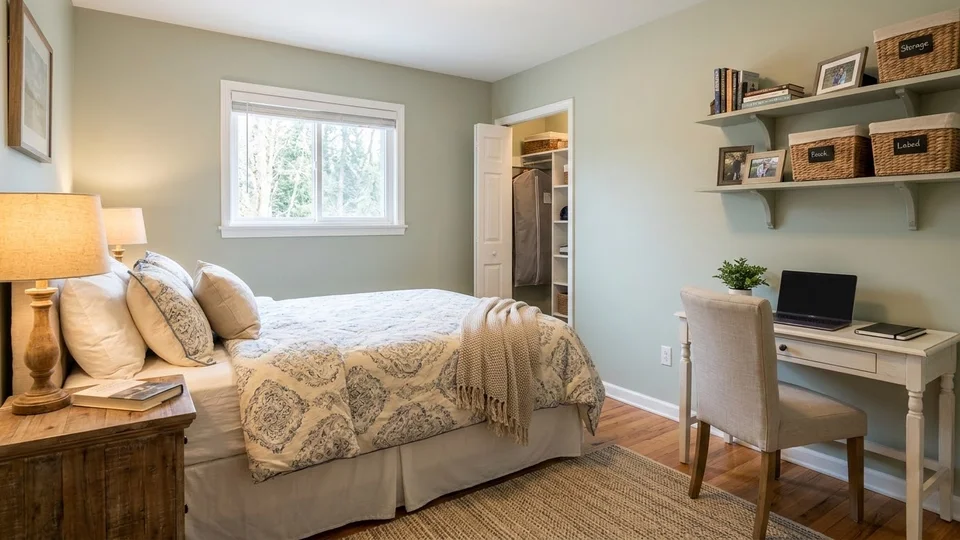
Before you begin decluttering, decide how you would ideally like to use the space.
Do you need a guest room for visiting family? Would a home office make your workday easier? Maybe you want a playroom, reading room, workout space, or craft area.
Having a clear purpose makes it much easier to decide what should stay and what needs to go.
If you want the room to serve more than one function, that is fine too. A guest room can double as a home office, while a hobby room can include a sleeper sofa for visitors.
The important thing is to give the room a purpose beyond simply holding belongings.
Take Everything Out in Categories
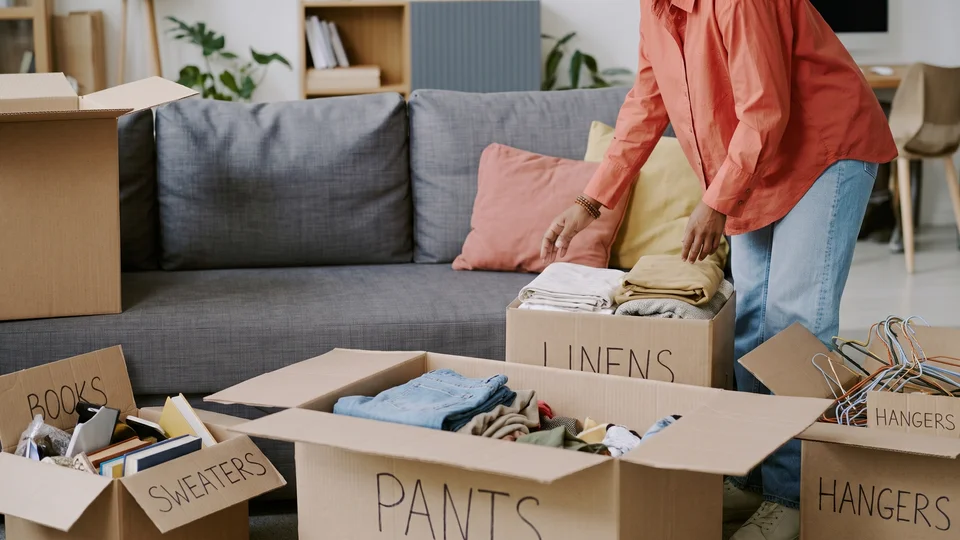
Instead of looking at the entire room as one giant project, break the clutter into categories.
Start with one type of item at a time. You might begin with clothing, followed by boxes, furniture, paperwork, holiday décor, and household extras.
As you sort, create separate groups for items you want to:
• Keep in the room
• Move somewhere else in the house
• Donate or sell
• Throw away or recycle
• Place in self storage
Sorting this way keeps you from simply moving piles from one side of the room to the other.
Be realistic about what you actually need. If something has been sitting untouched for several years, ask yourself whether it is truly worth keeping inside your everyday living space.
Get Rid of the “Just in Case” Mindset
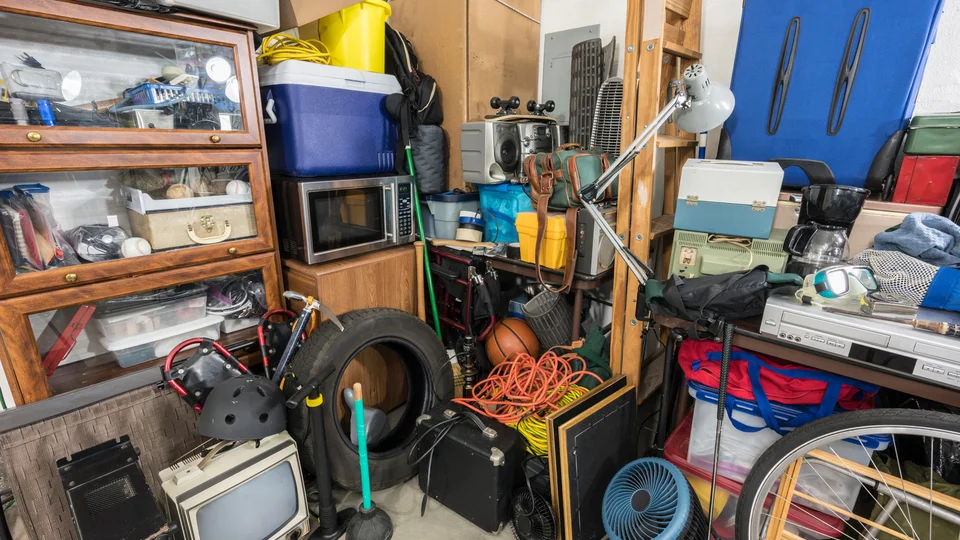
One reason spare rooms fill up so quickly is that they become home to things we think we might need someday.
Extra furniture, old electronics, duplicate kitchen items, outdated décor, and clothing that no longer fits can remain untouched for years simply because it feels wasteful to get rid of them.
There is nothing wrong with keeping useful belongings, but “just in case” items should not prevent you from using an entire room.
Consider whether the item would actually be difficult or expensive to replace. If it is inexpensive, outdated, broken, or easy to find again, letting it go may be the better option.
For items that are valuable or meaningful but rarely needed, off-site storage may make more sense than keeping them in a spare bedroom.
Find Better Homes for Everyday Items
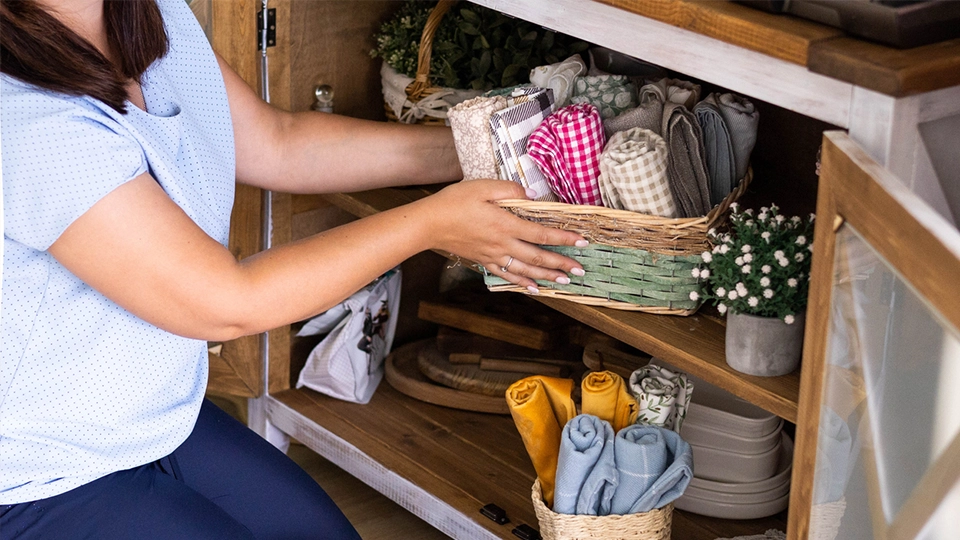
Some of the clutter in your spare room probably belongs elsewhere in the house.
Extra towels can move to a linen closet. Tools can go into the garage. Important documents can be organized in a filing cabinet. Seasonal clothing can be packed into labelled containers.
Look for unused space throughout your home before buying additional organizers.
Areas above doors, under beds, behind doors, and on higher closet shelves can all provide useful storage. Wall-mounted shelves and hooks can also make use of vertical space without taking up floor area.
The goal is not to cram belongings into every available corner. Instead, give frequently used items logical homes close to where they are actually used.
Be Selective About Furniture
Spare rooms often become crowded with furniture that no one knows what to do with.
An extra dresser, old dining chair, unused bookshelf, or side table may seem harmless individually. Together, they can make the room feel cramped and difficult to navigate.
Keep only furniture that supports the room’s new purpose.
If you are creating a guest room, you may need a bed, bedside table, lamp, and small dresser. A home office might require a desk, comfortable chair, shelving, and perhaps a cabinet.
Anything that does not contribute to the room should be relocated, donated, sold, or stored elsewhere.
Leaving some open floor space can make even a smaller room feel much more comfortable.
Organize the Closet Separately
A spare-room closet can easily become another hidden storage zone.
Do not ignore it.
Take everything out and sort it using the same process as the rest of the room. Remove clothing that no longer fits, empty boxes, old bedding, unused bags, and anything else that has been forgotten.
Once the closet is clear, decide what belongs there based on the room’s purpose.
For a guest room, keep extra bedding, towels, and a few empty hangers. For an office, use shelves for files and supplies. For a hobby room, organize materials in labelled bins.
Try to leave some open space instead of filling every shelf immediately. A little breathing room makes it easier to stay organized later.
Create Storage That Looks Intentional
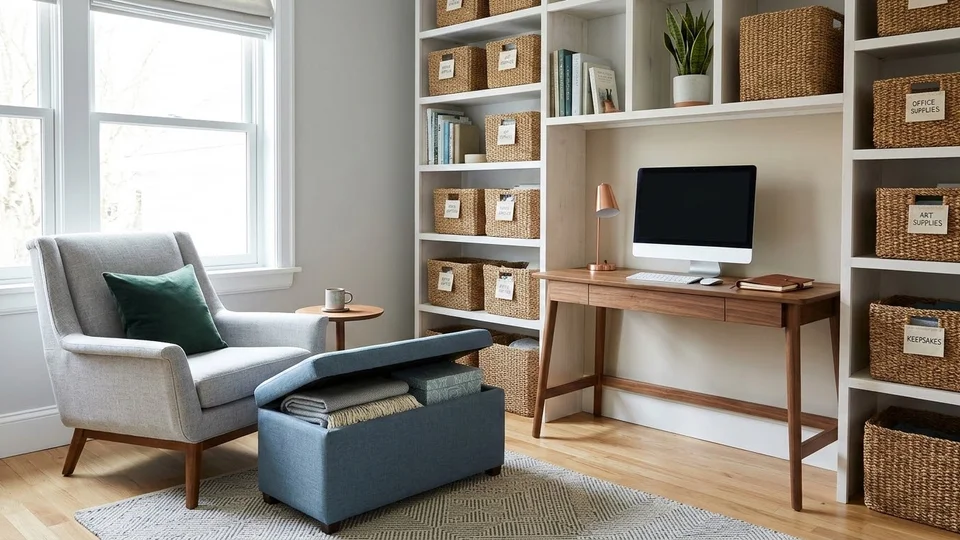
If the room still needs to hold some belongings, choose storage solutions that look neat and purposeful.
Matching baskets, decorative boxes, closed cabinets, and labelled bins can keep small items from becoming visual clutter. Furniture with built-in storage, such as an ottoman or bench, can provide extra space without making the room feel like a warehouse.
Avoid stacking cardboard boxes in corners if you can help it. Even organized boxes can make a room feel temporary and unfinished.
Keeping storage contained and visually consistent helps the room feel like part of your home again.
Set Rules for What Can Enter the Room
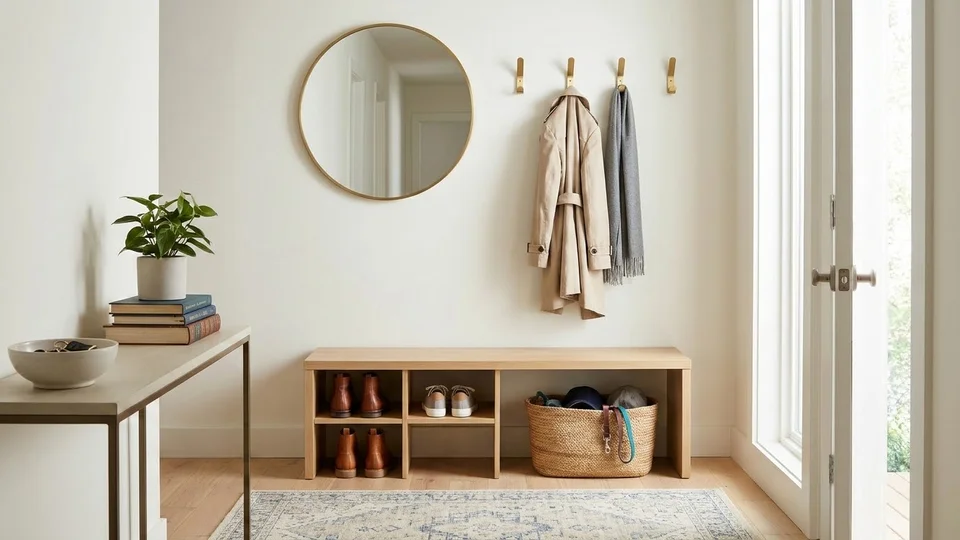
Once you have reclaimed the space, protect it from becoming the household dumping ground again.
Make one simple rule: nothing enters the room unless it has a designated purpose or storage location.
If someone places a box inside “just for now,” deal with it quickly. Temporary clutter has a habit of becoming permanent.
You can also schedule a short monthly reset. Spend ten or fifteen minutes putting things away, clearing surfaces, and removing anything that does not belong.
Small maintenance sessions are much easier than another full-room cleanout six months later.
Put the Room Back to Work
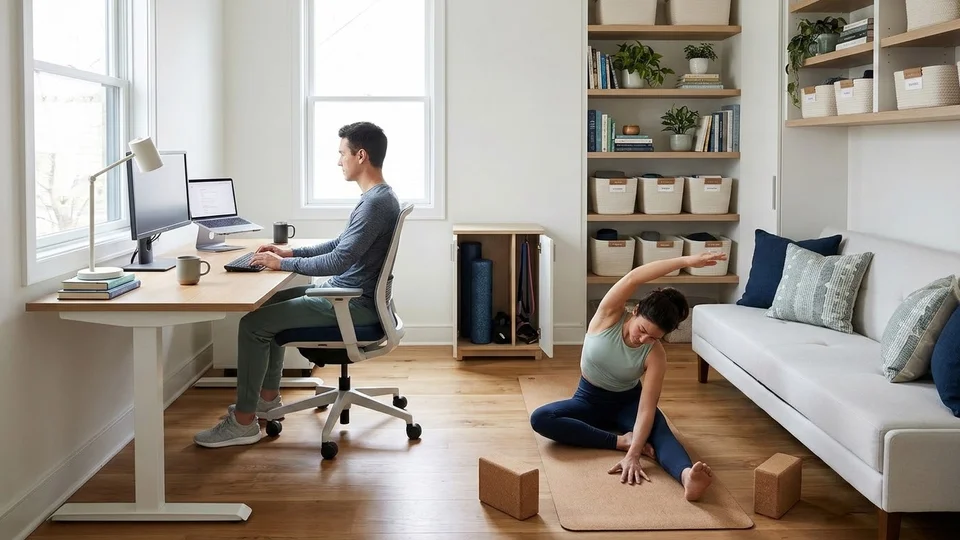
Once the clutter is gone, start using the room again as soon as possible.
Set up the desk. Make the bed. Roll out the yoga mat. Add a comfortable chair or organize your craft supplies.
Using the room regularly helps reinforce its purpose and makes it less likely to become storage space again.
You may be surprised by how different your home feels once the room becomes usable. What seemed like a small organizational project can effectively give you an entire room back.
Give Your Spare Room Back with Mini Mall Storage

Some belongings are worth keeping, but that does not mean they need to occupy valuable space inside your home.
Seasonal decorations, extra furniture, family keepsakes, sports equipment, business supplies, outgrown children’s items, and rarely used household belongings can quickly overwhelm a spare room. Instead of allowing these items to take over a space you could actually use, Mini Mall Storage can help give them a more appropriate place.
Self storage can be especially useful when you are reorganizing your home, preparing for guests, creating a home office, renovating, downsizing, or simply trying to make everyday spaces feel less crowded.
Before moving belongings into storage, clean and dry everything thoroughly. Use sturdy containers, label boxes clearly, and create a simple inventory so you know what you have. Place belongings you may need more often near the front and less frequently used items toward the back.
Mini Mall Storage offers a variety of storage options for household belongings, furniture, seasonal items, moving supplies, business inventory, and more. With convenient locations and flexible rental options, it is easier to keep the things you want without sacrificing an entire room at home.
Find a Mini Mall Storage facility near you and turn your spare room back into a space you can actually enjoy.


