
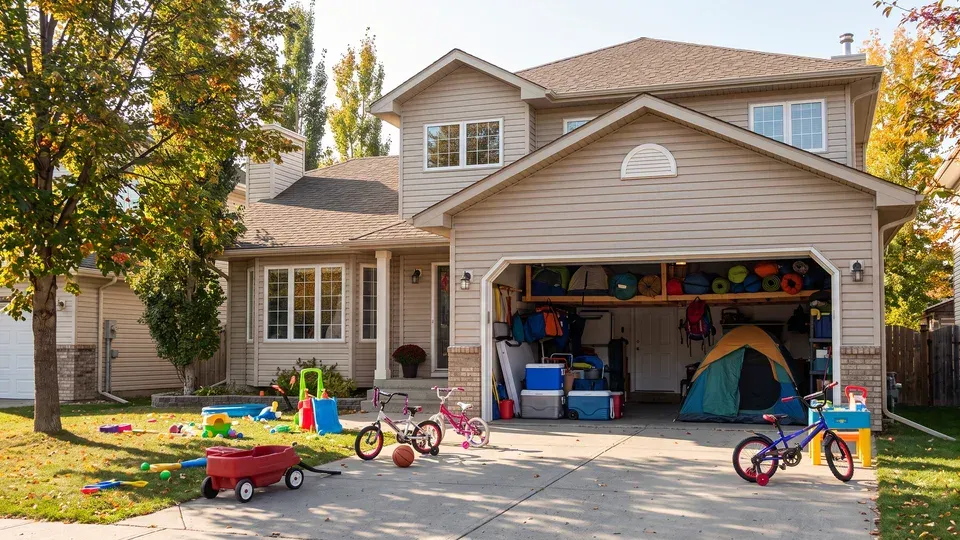

Summer has a way of leaving its mark on every part of the home.
By the time the season begins winding down, beach towels are mixed in with regular laundry, camping gear has taken over the garage, outdoor toys are scattered around the yard, and sandals seem to be sitting beside every door. Even if your home felt organized in June, it may look completely different by the end of August.
That is what makes the end of summer such a good time for a reset.
Decluttering now gives you a chance to clear away seasonal items, prepare for fall routines, and make your home feel calmer before school schedules, cooler weather, and the holidays begin. You do not need to reorganize every room in one weekend. A few focused projects can make a noticeable difference.
Begin with the Areas That Feel the Most Crowded
Before pulling everything out of every closet, walk through your home and look for the places where summer clutter has collected.
For many households, that means the garage, entryway, patio, laundry room, vehicle, or spare bedroom. These spaces often become temporary drop zones for equipment, bags, outdoor supplies, and items that never quite made it back to their proper place.
Choose one area to begin with. Starting small can make the process feel much more manageable.
Set out separate boxes or bags for items you plan to keep, donate, sell, recycle, throw away, or move elsewhere. The goal is to make a decision about each item instead of simply shifting clutter from one room to another.
Clean Summer Gear Before Putting It Away

It can be tempting to fold up the camping chairs, toss the pool toys into a bin, and deal with everything next year. Unfortunately, storing items while they are still damp, dirty, or covered in sand can lead to stains, odours, rust, and mildew.
Take a little extra time to clean your summer gear before packing it away.
Common items to sort through include:
Patio cushions and outdoor decorations
Pool floats, sprinklers, and water toys
Camping gear, tents, and coolers
Beach bags, umbrellas, and folding chairs
Bicycles, helmets, and sports equipment
Gardening tools and outdoor supplies
Summer clothing and footwear
Allow fabric items to dry completely before placing them in containers. Empty and wipe down coolers, shake sand out of beach bags, and inspect camping equipment for damage.
Clear labels will also save time next year. Instead of marking a bin “summer stuff,” write something more useful, such as “pool towels and water toys” or “camping cookware and lanterns.”
Give Your Closets a Seasonal Refresh
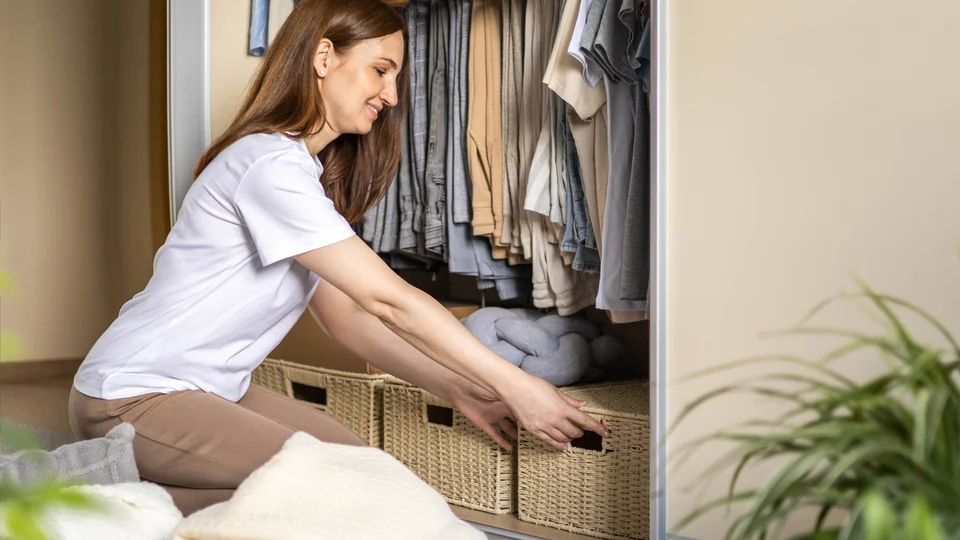
Closets can become overcrowded when clothing for every season is competing for the same space.
As the weather begins to cool, go through your summer wardrobe and pay attention to what you actually wore. Items that no longer fit, feel uncomfortable, or stayed untouched all season may be ready to donate.
Wash the clothing you plan to keep before packing it away. Stains and body oils can become harder to remove after sitting for several months, so clean clothing thoroughly and make sure it is completely dry.
You may still need a few lightweight outfits for warmer fall days, but most swimsuits, shorts, beach cover-ups, and sandals can move out of your main closet. This creates room for sweaters, jackets, boots, and the clothing you will reach for more often.
Reset the Entryway for Busier Mornings
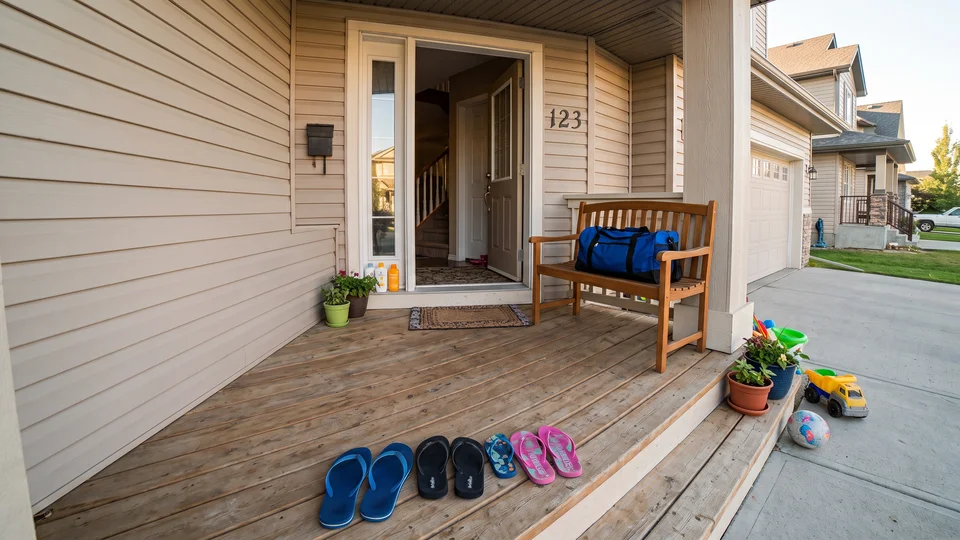
During summer, entryways tend to fill up with flip-flops, sunscreen, hats, sports bags, and outdoor toys. Once school and regular work schedules return, the space needs to serve a different purpose.
Start by removing the things your family will no longer use every day. Wipe down hooks, shelves, baskets, and shoe racks, then replace summer items with backpacks, jackets, umbrellas, and cooler-weather footwear.
Giving each person a designated hook or basket can make mornings much easier. It also helps prevent bags, shoes, and papers from ending up in one large pile.
A small tray for keys, mail, permission slips, and other important items can also help keep the entrance organized.
Take Back the Garage
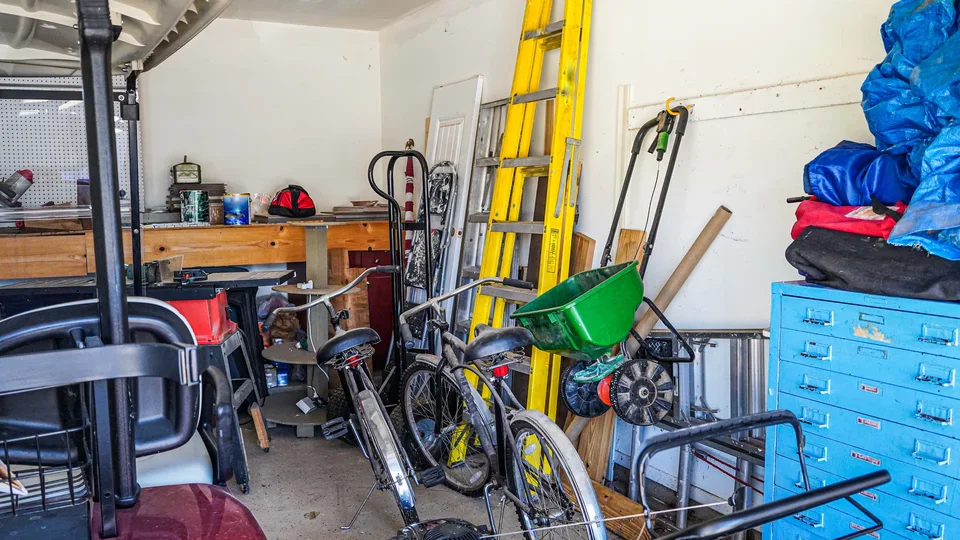
The garage often becomes the hardest-working space during summer.
It may hold bicycles, lawn tools, sports gear, camping equipment, project supplies, patio furniture, and everything that did not fit somewhere else. By the end of the season, there may barely be room to walk through it.
Do not feel like you need to empty the entire garage at once. Begin with one wall, shelf, or corner. Group similar items together and remove anything that is broken, expired, or unlikely to be used again.
Create simple zones for gardening, sports, automotive supplies, tools, and seasonal decorations. Wall hooks, pegboards, and sturdy shelving can help keep equipment off the floor.
Items you will need during fall should remain easy to reach. Pool supplies, camping gear, and warm-weather equipment can move to a higher shelf or a separate storage space until next season.
Check Outdoor Furniture and Décor
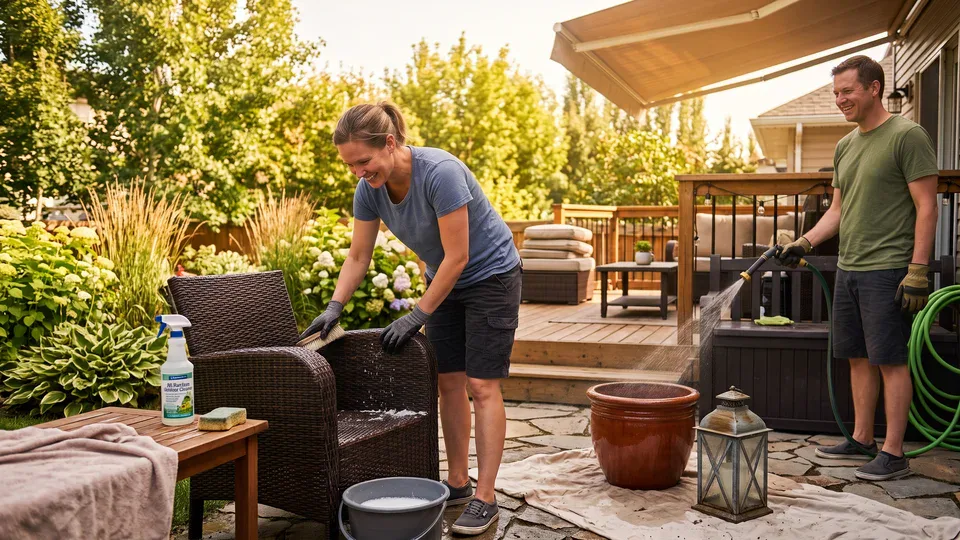
Before colder weather arrives, take a closer look at your patio furniture, cushions, planters, rugs, and decorations.
Clean each item and make any small repairs before putting it away. Leaving dirt or moisture behind can cause damage while belongings are stored.
This is also a good time to be honest about what is worth keeping. A broken chair, faded cushion, or decoration you no longer like does not need to take up space for another year.
Keeping only the pieces you actually enjoy will make setting up your outdoor space much easier next summer.
Clear Out the Car
Summer road trips, day camps, sports practices, and beach visits can turn a vehicle into another clutter zone.
Remove everything from the seats, floor, trunk, and storage compartments. Throw away garbage, return household items to their proper places, and give the interior a thorough cleaning.
Check your emergency supplies while you are there. Replace anything that has expired or been used, then add fall and winter items such as a blanket, gloves, flashlight, or ice scraper.
A clean vehicle makes daily errands easier and creates room for backpacks, groceries, sports equipment, and everything else that comes with a busier schedule.
Sort Through Photos and Keepsakes

Some of summer’s clutter is worth holding onto.
Photos, postcards, tickets, children’s crafts, and small souvenirs can all preserve great memories, but they still need a place to go.
Sort digital photos into folders and remove duplicates or blurry images. Back up the pictures you would not want to lose.
For physical keepsakes, choose a few meaningful items instead of saving every receipt, brochure, and ticket stub. A labelled memory box can keep them protected without taking over desks and drawers.
Prepare Your Home for Fall
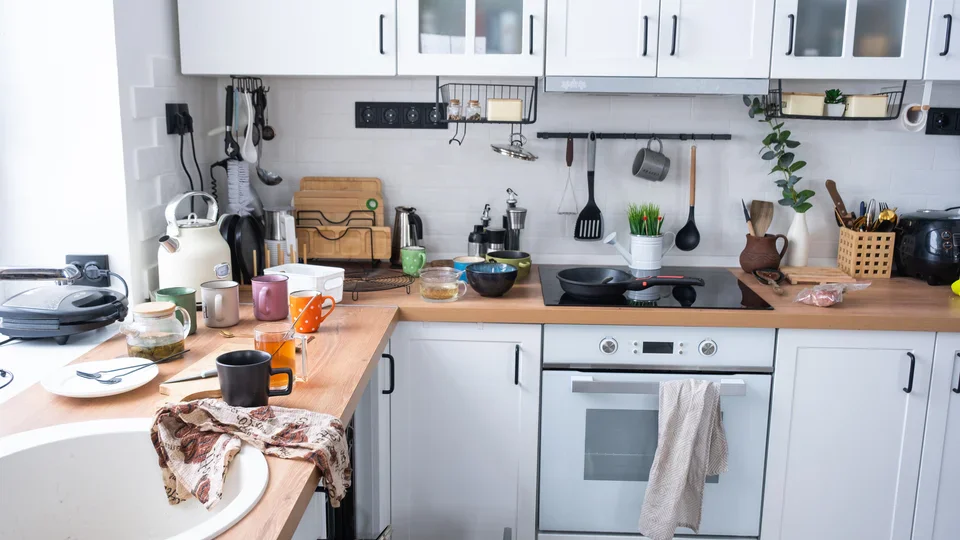
Decluttering after summer is not only about putting things away. It is also about preparing your home for how you will use it next.
Clear off the kitchen counter so there is room for lunches and meal preparation. Set up a homework area or organize the home office. Make space near the door for jackets, bags, and school supplies.
You may also want to check the pantry, cleaning supplies, family calendar, and household essentials. Handling a few of these tasks now can make the transition into fall feel much smoother.
Keep the Reset Going
A major cleanout can make your home feel better, but small routines are what help it stay that way.
Spend a few minutes each evening returning items to their proper places. Encourage everyone in the household to manage their own shoes, bags, toys, and equipment.
For categories that tend to grow quickly, try using a one-in, one-out rule. When something new enters the home, choose a similar item to donate or remove.
The goal is not to keep every room perfect. It is to create systems that make everyday life easier.
Make the Seasonal Switch with Mini Mall Storage
Not everything needs to stay inside your home all year.
Patio furniture, camping equipment, bicycles, pool toys, seasonal clothing, gardening supplies, and outdoor décor can take up a surprising amount of room once summer ends. Keeping all of these items in the garage, basement, or spare bedroom can make your everyday spaces feel crowded long after the season is over.
Mini Mall Storage can help make that seasonal transition easier.
By moving less frequently used belongings into self storage, you can free up room for the things your household needs during fall and winter. That may mean creating space for coats and boots in the entryway, clearing the garage before colder weather arrives, or turning a spare room back into a guest room, office, or play area.
Self storage can also be useful if your end-of-summer cleanup is part of a larger project. You may be preparing for a move, starting a renovation, downsizing, combining households, or organizing business inventory. Having a separate place for furniture, boxes, equipment, and seasonal belongings can make those changes feel much more manageable.
Before placing anything into storage, clean and dry it carefully. Pack smaller items in sturdy, labelled containers, use furniture covers where appropriate, and create a simple inventory so you know where everything is. Keep items you may need sooner near the front and place long-term seasonal belongings toward the back.
Mini Mall Storage offers a variety of storage unit sizes and options for household items, outdoor equipment, furniture, moving supplies, seasonal belongings, and business needs. With flexible rental options and convenient locations, it is easier to find a storage solution that fits your space and schedule.
Find a Mini Mall Storage facility near you and give your home the fresh start it needs after summer.


