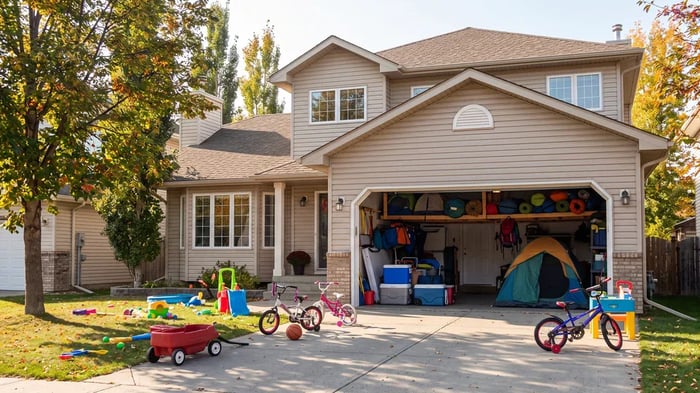
A comfortable home is not always about having more square footage. Often, it is about using the space you already have more effectively. Over time, furniture, seasonal decorations, clothing, tools, sports equipment, and everyday household items can begin filling closets, garages, spare rooms, and other useful areas.
For homeowners and renters in Trinity, Alabama, creating more space can make daily routines easier and help every room feel more comfortable. Whether you are preparing for a move, welcoming a new family member, starting a renovation, or simply tired of dealing with clutter, a few practical changes can make a noticeable difference.
Here are some simple ways to organize your Trinity home, reclaim underused areas, and create more room for the people and activities that matter most.
Begin with a Whole-Home Declutter

The first step toward creating more space is deciding which belongings still deserve a place in your home. Clutter often builds slowly, making it difficult to notice how much space unused items are taking up.
Work through one room at a time rather than trying to organize the entire house in one day. Empty crowded drawers, shelves, and closets so you can clearly see what you own. As you sort, consider when each item was last used and whether it still supports your current lifestyle.
Separate your belongings into a few categories:
- Keep and organize
- Donate or give away
- Sell
- Recycle or discard
- Place in storage
Be realistic about duplicates, damaged items, and belongings you have kept only because you might use them someday. Removing even a small amount of clutter from every room can create a significant amount of additional space throughout your home.
Make Better Use of Vertical Space
Many homes have unused space above furniture, doors, appliances, and existing shelves. Using walls for storage can free up floors, countertops, and other areas needed for daily activities.
Install floating shelves in kitchens, bathrooms, bedrooms, or home offices. Wall-mounted hooks can hold jackets, bags, hats, tools, and sports equipment. Tall bookcases and shelving units can provide additional storage without taking up much more floor space than shorter furniture.
In the garage, consider wall-mounted racks for bicycles, garden tools, folding chairs, and extension cords. Overhead shelving can also provide space for bins containing seasonal belongings or supplies that are not used every day.
Whenever you use high shelves, keep heavier items closer to the floor and reserve upper spaces for lightweight belongings.
Choose Furniture with Built-In Storage
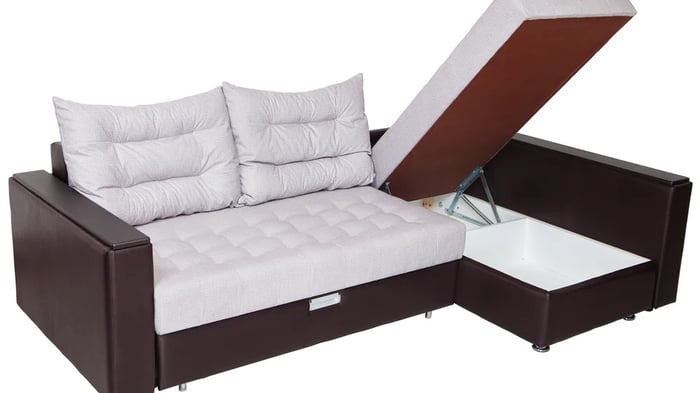
Multipurpose furniture is useful when you are trying to make a room feel larger without giving up comfort or function.
Storage ottomans can hold blankets, games, toys, or books while also providing seating or a place to rest your feet. Beds with drawers underneath can reduce the need for an additional dresser. Benches with hidden compartments work well in entryways, bedrooms, and dining areas.
In smaller rooms, look for tables with shelves, desks with drawers, and coffee tables that provide hidden storage. These pieces allow frequently used items to remain nearby without leaving them visible on every surface.
Before buying new furniture, measure the room carefully. A piece that is too large can make the area feel more crowded, even when it offers additional storage.
Organize Closets by Season
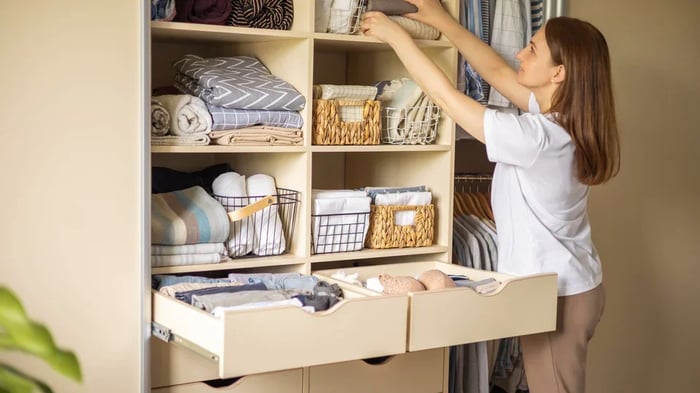
Closets can quickly become overcrowded when clothing for every season is stored together. Trinity experiences warm summers and cooler winter weather, but many seasonal items are only needed for part of the year.
Move heavy coats, boots, thick blankets, and cold-weather accessories out of your main closet during the warmer months. When temperatures begin to drop, rotate summer clothing, beach supplies, and lightweight bedding into another storage area.
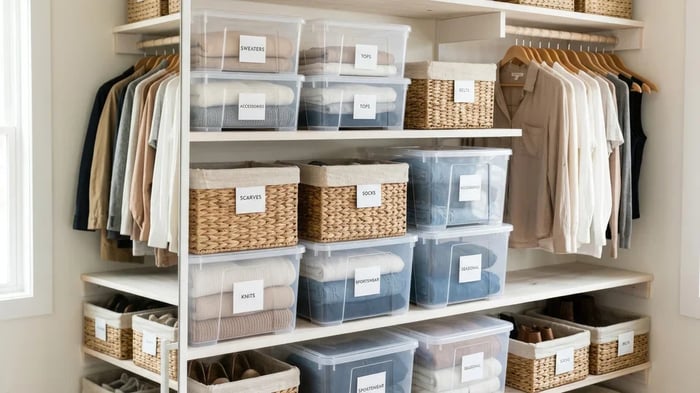
Use matching containers to make shelves look more organized and label each bin clearly. Vacuum-sealed bags can reduce the amount of room required for soft items such as comforters, winter jackets, and extra pillows.
Keep the clothing you wear most often at eye level. Special occasion outfits and less frequently used items can be placed on higher shelves or toward the back of the closet.
Create Zones in Your Garage
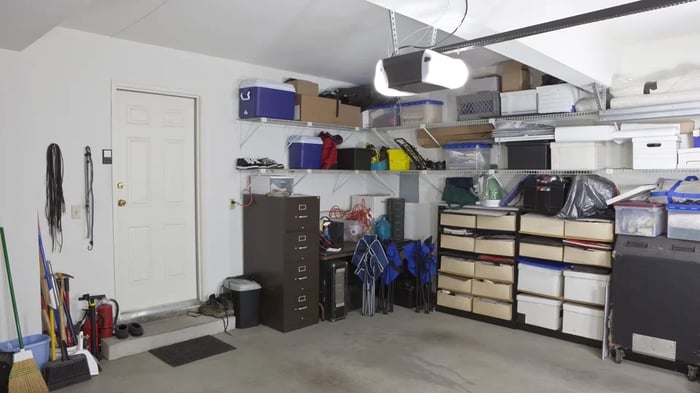
Garages are often expected to hold vehicles, lawn equipment, tools, sports gear, holiday decorations, and household overflow all at once. Without a system, these items can quickly take over the entire space.
Divide your garage into zones based on how items are used. You might create one area for lawn and garden supplies, another for tools, and another for seasonal equipment. Store similar items together so they are easier to find and return after use.
Use clear bins or durable labelled containers to protect belongings from dust and keep smaller objects from becoming scattered. Pegboards are useful for organizing frequently used tools, while sturdy shelving can keep containers off the floor.
Leave a clear walkway and avoid placing belongings in front of doors, vehicles, electrical panels, or equipment that requires regular access.
Make the Most of Underused Rooms
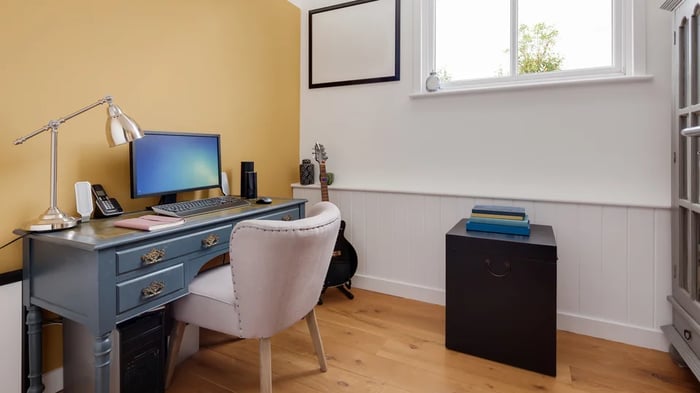
Spare bedrooms, formal dining rooms, and other rarely used spaces can often serve more than one purpose.
A guest bedroom can also function as a home office, reading area, or hobby room. A sleeper sofa or wall bed can provide accommodation for visitors without requiring the room to remain unused throughout the year.
An underused dining room may become a homework area, craft space, or flexible family room. Use cabinets or closed storage to keep supplies organized when the room is needed for another activity.
The goal is not to fill every empty corner. Instead, focus on making each space support how your household actually lives.
Control Kitchen and Pantry Clutter
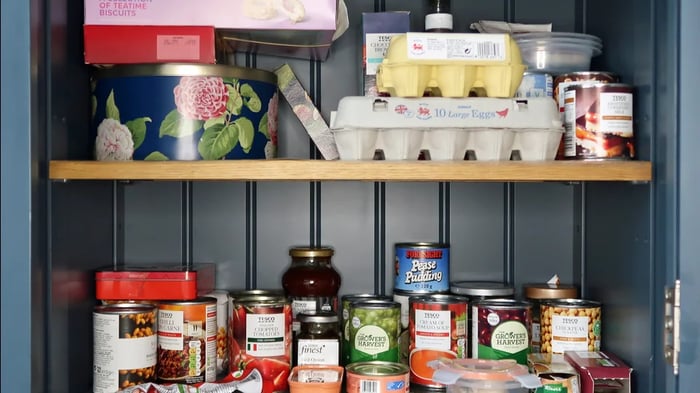
Kitchen cabinets and pantries often become crowded with duplicate tools, expired food, reusable containers, and small appliances that are rarely used.
Remove everything from one cabinet or pantry section at a time. Discard expired products and donate appliances or cookware you no longer need. Group food into categories so you can see what is available before buying more.
Shelf risers, drawer dividers, turntables, and stackable containers can help you use cabinet space more efficiently. Store frequently used cookware and ingredients within easy reach and move occasional items to higher shelves.
Keeping counters as clear as possible can also make the kitchen feel more spacious and easier to clean.
Manage Paper and Digital Clutter

Mail, receipts, school papers, warranties, and other documents can quickly cover desks and countertops. Create one designated location for incoming paperwork and review it regularly.
Keep important documents in labelled folders or a small filing cabinet. Shred papers containing personal information before discarding them. Consider scanning documents that do not need to be kept in their original form.
Digital clutter can also affect organization. Sort photos, downloads, and important files into clearly named folders and back them up securely. A simple system can make information easier to find and prevent unnecessary paper from accumulating throughout the house.
Build Daily Organization Habits

A major cleanout can create space, but small routines are what keep clutter from returning.
Take a few minutes at the end of each day to return items to their designated places. Encourage each family member to manage their own belongings, including backpacks, shoes, toys, and sports equipment.
Try following a one-in, one-out rule for categories that tend to grow quickly. When a new piece of clothing, toy, or household item enters the home, choose something similar to donate or discard.
These habits do not need to be perfect. Consistent, manageable effort is more effective than waiting until clutter becomes overwhelming again.
Use a Self Storage Unit for More Space
Some belongings are worth keeping but do not need to remain inside your home. Seasonal decorations, extra furniture, family keepsakes, business supplies, outdoor equipment, and rarely used household items can occupy valuable living space.
A storage unit can provide a separate place for these belongings while keeping them available when needed. It can also be helpful during a move, renovation, downsizing project, or major home organization effort.
Before placing items into storage, clean and dry them thoroughly. Pack belongings in sturdy containers, label every box, and create a simple inventory. Place items you expect to retrieve more often near the front of the storage unit.
Make More Room with Mini Mall Storage

Creating more space in your Trinity home does not require getting rid of everything you own. By decluttering, using vertical areas, choosing practical furniture, organizing seasonal belongings, and creating better household routines, you can make your home feel more open and functional.
When closets, garages, and spare rooms are still too crowded, Mini Mall Storage can help. We offer storage unit options for household belongings, furniture, seasonal equipment, business supplies, moving, renovations, and more.
Find a Mini Mall Storage facility near Trinity, AL, and create the additional space you need to enjoy a cleaner, more organized home.