
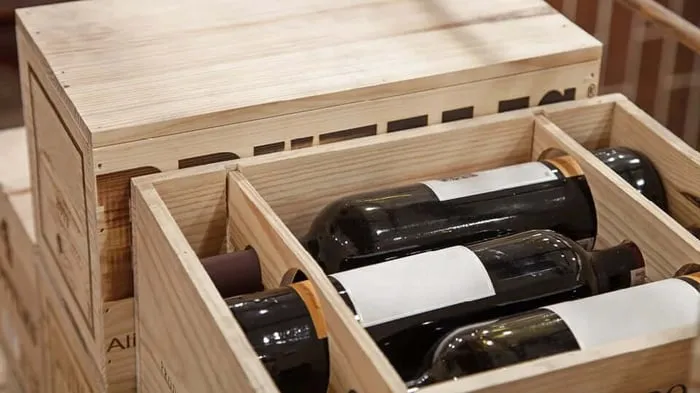

The Lowcountry region of South Carolina is celebrated for its sweeping salt marshes, historic live oaks, and a sophisticated culinary culture that stretches from the mainland of Bluffton out to Hilton Head Island. For residents of master-planned communities like Palmetto Bluff, Colleton River, and Sun City, building a private wine collection is a natural extension of this lifestyle. Whether you are an amateur enthusiast acquiring regional vintages or a serious collector investing in investment-grade Bordeaux and Napa Valley Cabernets, the ultimate quality of your wine depends entirely on proper wine storage and how it is preserved.
Wine is a delicate, living organic compound that evolves continuously inside the bottle. Unlike spirits, which are highly resilient, a bottle of wine is highly sensitive to its surrounding environment. In a coastal town like Bluffton, finding the ideal space to house a growing collection can be incredibly difficult. Standard residential closets, pantries, and garages are subject to environmental shifts that can destroy a collection in a matter of weeks.
The Core Elements of Proper Wine Preservation
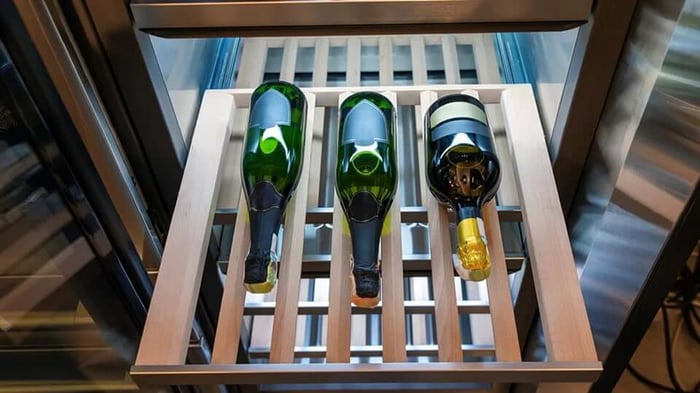 To understand why specialized storage is necessary, it is important to examine the environmental factors that dictate the aging process of wine. Every bottle requires a specific balance of variables to allow the complex chemical compounds—tannins, esters, and acids—to mature harmoniously.
Consistent Temperature Management
The primary enemy of wine is heat. The chemical reactions that allow wine to age gracefully accelerate when the temperature rises. Exposure to temperatures above 70 degrees Fahrenheit can cause the liquid to age prematurely, stripping it of its nuanced flavor profiles and aromas. If temperatures reach 80 degrees or higher, the wine can literally cook, leading to a flat, vinegar-like taste. Just as dangerous as high heat are rapid fluctuations in temperature. When a room heats up and cools down cyclically, the liquid inside the bottle expands and contracts. This movement can damage the seal of the cork, pulling oxygen into the bottle and causing irreversible oxidation.
Balancing Relative Humidity Levels
Humidity plays a silent but critical role in preserving the structural integrity of the bottle. The ideal relative humidity level for wine preservation sits between 50 and 70 percent. If the air becomes too dry, the cork will begin to shrink, crack, and lose its elasticity. A dried-out cork allows air to seep into the bottle, causing rapid oxidation. Conversely, if the humidity level is excessively high, it can foster the growth of mold and mildew. While mold may not always penetrate a healthy cork, it will rapidly destroy the paper labels, ruining the aesthetic and financial resale value of the collection.
Light and Vibration Protection
Ultraviolet light can easily penetrate glass bottles, especially clear and green glass. UV rays degrade the organic compounds inside the wine, creating sulfurous compounds that ruin the aroma and flavor—a condition known as light-struck wine. Vibrations are another hidden hazard. Consistent movement from heavy foot traffic, household appliances, or nearby roadways disturbs the natural sediment in older wines, preventing them from settling properly and disrupting the delicate aging process.
The Lowcountry Environmental Challenge
Bluffton features a humid subtropical climate characterized by long, hot summers and high levels of atmospheric moisture year-round. The proximity to the Atlantic Ocean means that the outdoor relative humidity frequently hits 80 to 90 percent, while summer temperatures routinely climb into the 90s.
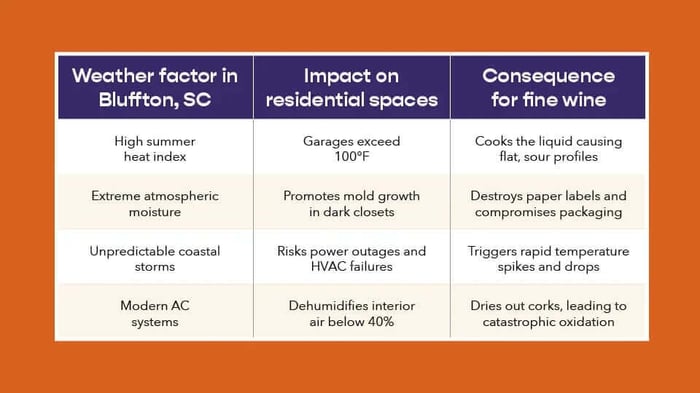
Many homeowners mistakenly believe that keeping wine in a standard air-conditioned home is sufficient. However, residential HVAC units are designed to cool the air and strip out moisture to ensure human comfort, often lowering the relative humidity below the minimum threshold required to keep a wine cork hydrated. Furthermore, if you store wine in a garage or an uninsulated utility room in South Carolina, the intense heat will degrade the collection rapidly.
Dedicated Solutions at Mini Mall Storage in Bluffton, SC
 Recognizing the unique demands of local collectors, restaurateurs, and sommeliers, our facility located at 1110 Fording Island Road, Suite A, provides specialized storage options tailored specifically for wine preservation. Positioned along the primary commercial corridor connecting mainland Bluffton to the Hilton Head bridges, this storage facility removes the guesswork from collection management.
Specialized Wine Lockers
Rather than forcing collectors to rent large, generic spaces, the Fording Island Road location features highly targeted storage options, including:
- 2x1 Wine Storage Lockers: Ideal for casual collectors, providing an efficient footprint for a select number of high-value cases.
- 4x1 Wine Storage Lockers: Designed for growing collections or local businesses needing off-site inventory support.
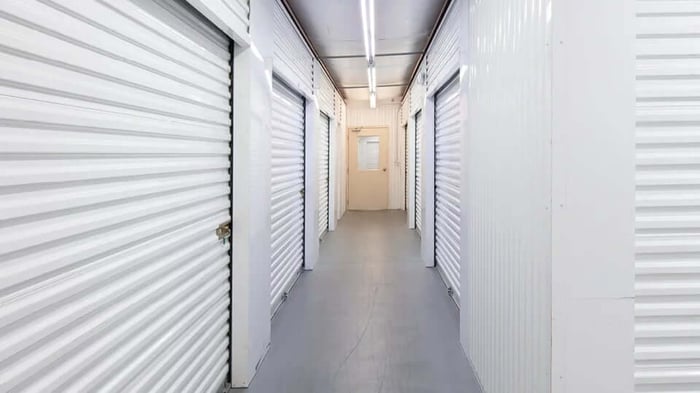
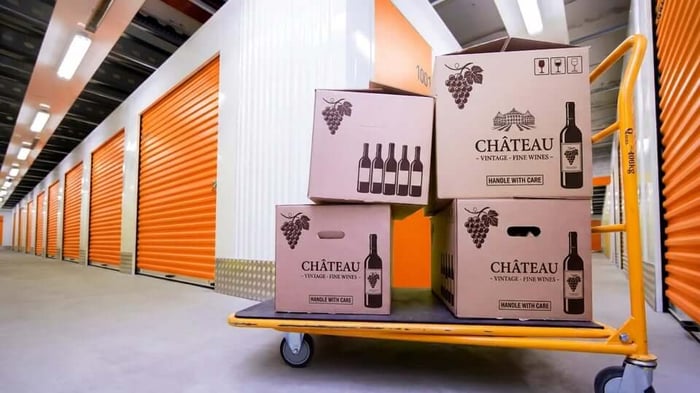
These specialized storage units are housed entirely within secure, interior hallways on the ground floor, eliminating the need to transport heavy wood cases or fragile glass bottles up stairwells or elevators.
Constant Climate Control
The wine storage spaces at our facility are fully climate controlled. These spaces are kept insulated from the external South Carolina heat and moisture, maintaining a stable temperature range and protecting the structural health of both the liquid and the cork. This steady environment ensures that whether it is the middle of a scorching July heatwave or a cool January evening, your collection remains completely undisturbed.
Comprehensive Operational Security
Fine wine represents a significant financial and sentimental investment. The Bluffton facility is equipped with an array of modern security features to ensure your collection is protected around the clock:
- 24/7 Digital Video Surveillance: Continuous monitoring across the property and interior hallways.
- Electronic Gate Passcode Access: Only authorized tenants with personal access codes can enter the facility.
- Interior Hallway Entry: An added layer of shelter from weather elements during loading and unloading.
Commercial vs. Residential Storage Needs
Our facility serves two primary client bases in the Beaufort County area, each with distinct requirements for their collections.
For Private Collectors and Enthusiasts
Residential homes in communities like Hampton Hall or Berkeley Hall often prioritize open-concept layouts over large utility or cellar spaces. Utilizing a specialized storage locker allows you to grow your collection beyond the limits of a standard countertop cooler or pantry. It also serves as an excellent intermediary space if you are in the middle of a residential relocation or home remodeling project.
For Local Businesses and Hospitality
Bluffton has a booming culinary and hospitality sector. Local restaurants, boutique wine shops, and event caterers frequently face space constraints within their commercial brick-and-mortar locations. A secure, off-site climate-controlled locker offers a budget-friendly way to store backup inventory, seasonal cases, or special event allocations without taking up valuable restaurant floor space.
Spatial Strategies for Organizing Your Wine Locker
Maximizing the utility of a compact wine locker requires an organized approach to spatial management. Unlike standard household goods, wine cases must be packed with accessibility and airflow in mind.
Horizontal Bottle Orientation
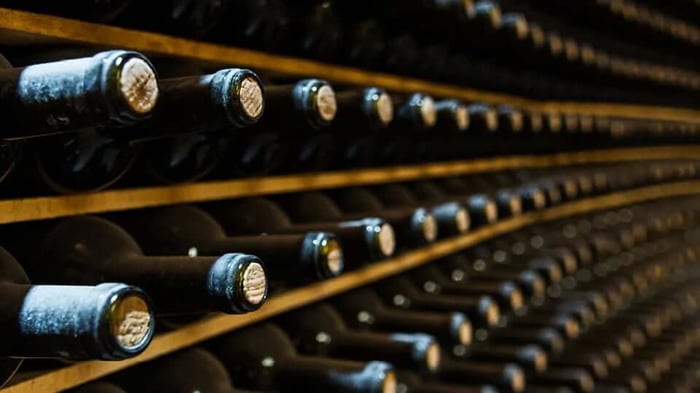
If you are storing individual bottles outside of their original cardboard or wooden cases, always store them horizontally. Laying the bottle on its side ensures that the wine remains in constant contact with the cork. This continuous contact keeps the cork hydrated and swollen, maintaining a perfect seal against external oxygen.
Case Stacking Metrics
When storing full cases, place the heaviest wooden crates at the bottom of the locker to establish a solid foundation. Use uniform cardboard or plastic wine shippers to allow for vertical stacking without risking a structural collapse. It is wise to leave a small gap between the back of the cases and the unit wall to facilitate optimal air circulation throughout the space.
Inventory System Tracking
To avoid spending extended periods with your locker door open searching for a specific vintage, maintain a digital or paper inventory log. Label the exterior of each case with the region, varietal, and optimal drinking window. Grouping your collection by country or style allows you to retrieve the exact bottle you want quickly and efficiently.
Streamlining Your Collection Management
Whether you are downsizing your home in a nearby golf community, expanding your restaurant's reserve list, or protecting your personal collection from the harsh coastal elements, professional self storage offers the ultimate peace of mind. By moving your bottles into a dedicated space, you free up valuable residential real estate while ensuring your wine matures under ideal conditions.
With flexible, month-to-month rental terms, extended access hours, and no credit card required for reservations, managing your collection has never been simpler. Protect your investment and ensure that every bottle you open down the road tastes exactly as the winemaker intended.
Ready to optimize your collection environment? Explore our available inventory online today, check out current regional leasing specials, and secure the ideal environment for your wine collection.
FAQs
What temperature is best for wine storage?
Wine is best stored in a cool, consistent environment. Stable temperatures help protect flavour, aroma, cork integrity, and the overall aging process
Why is climate-controlled wine storage important in Bluffton, SC?
Bluffton’s heat and humidity can damage wine over time. Climate-controlled wine storage helps reduce exposure to extreme temperatures and moisture changes.
Can I store wine in a regular storage unit?
A standard storage unit may not provide the consistent environment wine requires. Climate-controlled storage is a better option for protecting valuable or long-term collections.


