
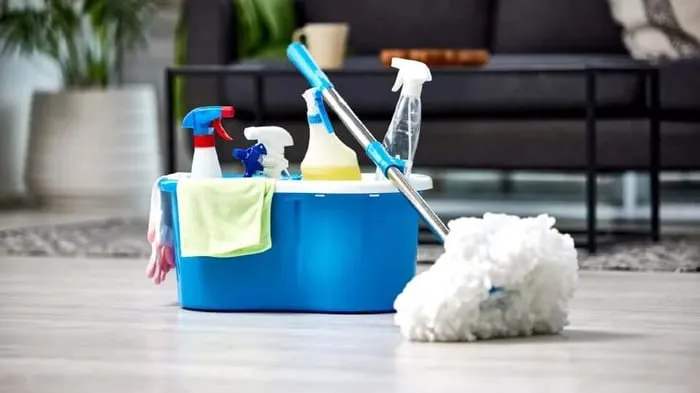

Feeling like your home could use more than just a quick sweep? You’re not alone. Deep cleaning doesn’t just freshen your space — it restores your energy and makes longtime messes disappear. Here’s your deep cleaning guide, room by room, with gentle yet powerful tips to get things spotless. Let’s turn your space into a sanctuary.
Why Deep Cleaning Matters
- Removes built-up dust, allergens, and grime that regular cleaning misses
- Helps prevent mold, pests, and wear on surfaces
- Gives you visible results — see the shine, smell the freshness, enjoy the peace
- Improves mental clarity and reduces stress when things are tidy
Deep Cleaning Checklist by Room
Here’s your road map! Focus on one room at a time. You’ll feel accomplished before you know it.
Kitchen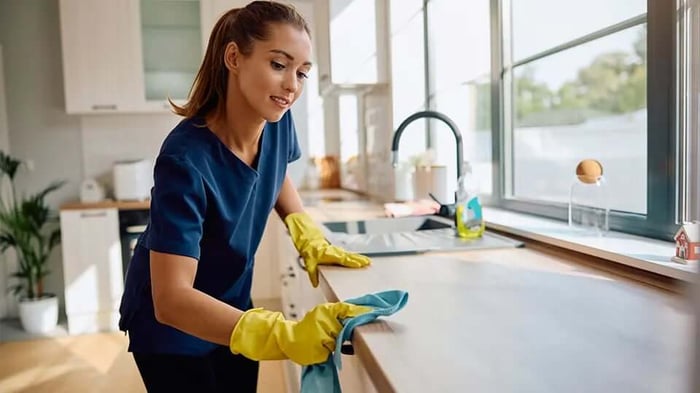
| Task | Details / Tips |
|---|---|
| Empty & declutter counters | Put away small appliances you don’t use daily. Clear off fruits & spices. Surfaces sparkle when uncluttered. |
| Deep clean sink & faucet | Scrub around the base, clean drain stoppers. Run hot water plus baking soda, then vinegar to deodorize. |
| Clean refrigerator & freezer | Take all items out, toss expired food. Clean shelves & drawers with mild soap & warm water. Defrost if needed. |
| Degrease range hood & backsplash | Use dish soap, a degreaser, or baking soda paste on stubborn grease spots. |
| Clean oven and stovetop | Remove grates, soak them. Use oven cleaner or DIY paste with baking soda. Wipe inside oven walls. |
| Wipe cabinets (inside & out) | Handle areas accumulate grime. Use microfiber and gentle cleaner. |
| Sweep & mop floor | Move small rugs, mop under appliances too. Don’t forget corners behind the fridge and stove. |
Bathroom
- Shower & Tub
Scrub grout lines with a paste (baking soda + water), use a scrub brush. Remove soap scum and hard water stains.
- Toilet
Deep-clean both inside and out. Use a disinfectant, pay attention under the rim. Wipe behind the seat.
- Sink & Countertop
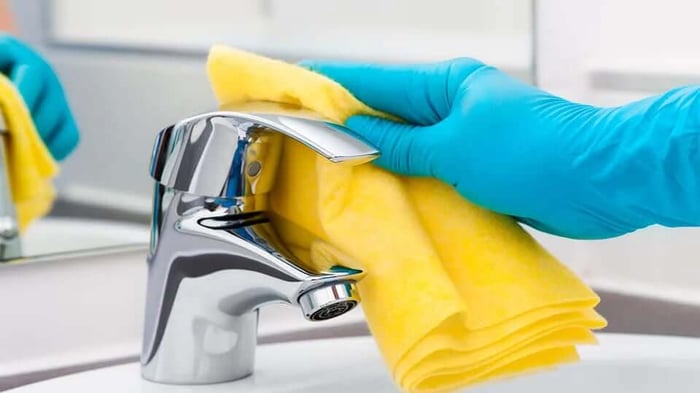
Clear countertops. Clean around faucets — mineral build-up often hides there. Polish fixtures so they shine.
- Mirrors & Glass
Use glass cleaner or vinegar diluted with water. Wipe in a vertical/horizontal pattern to avoid streaks.
- Cabinets & Drawers
Empty, vacuum any debris, wipe interior surfaces. Discard expired toiletries. Reorganize, using bins if needed.
- Floors
Sweep first, mop with disinfectant. For grout on tile floors, use a brush and a stronger cleaner.
Living Room 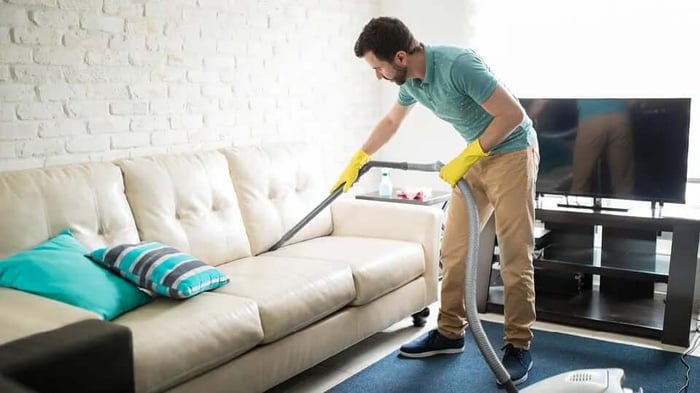
- Remove all items from shelves, dust and clean each one before placing back.
- Clean upholstery: vacuum cushions, use suitable cleaners for fabric or leather.
- Dust electronics and behind them — TVs, speakers, consoles. Power them off first.
- Wash throws, cushion covers. Fluff pillows.
- Clean windowsills, baseboards, doors. Don’t forget door knobs and light switches.
- Clean the lighting: lampshades, floor lamps, recessed lights.
Home Office / Study Area 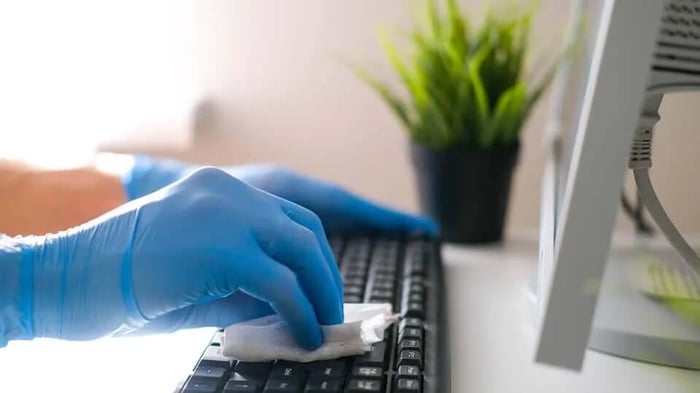
- Declutter desk: file papers, recycle old notes.
- Clean keyboard, mouse, phone: use compressed air, disinfectant wipes.
- Organize cables: tie and label them; dust behind monitors.
- Wipe down shelves, clean books (spines especially).
- Dust behind and under furniture; vacuum carpet or sweep/mop hardwood.
Hallways & Entryway 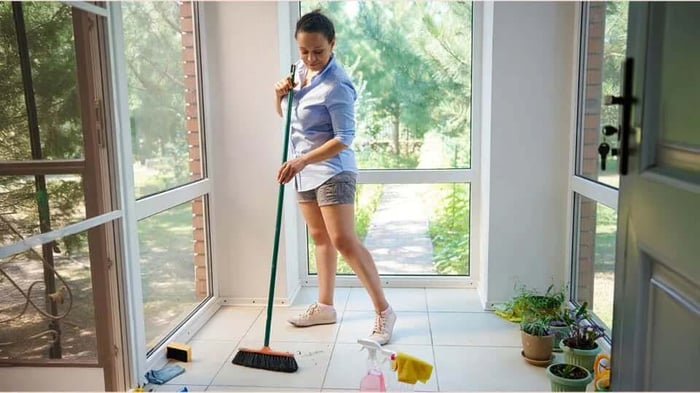
- Clean front door: inside and out. Doorknobs get gross fast.
- Wipe down walls from handprints, scuffs. Use a mild cleaner.
- Clean and organize shoes/coats: donate those you don’t wear.
- Mop or sweep floors, clean rugs/mats. Shake or vacuum them.
- Clean light fixtures, ceiling corners (spiders love entryways).
Laundry Room & Utility Areas 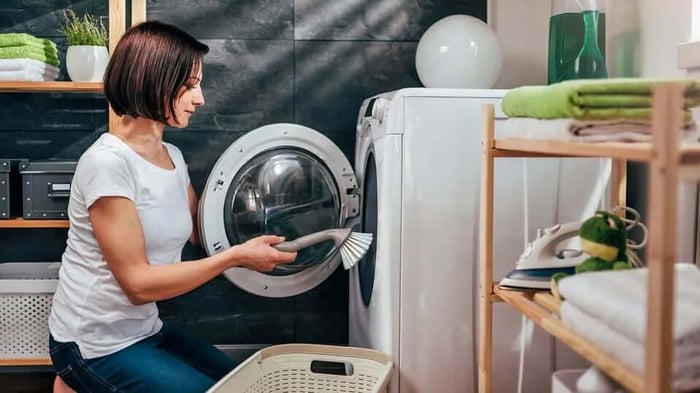
- Clean washer & dryer: run a cleaning cycle, wipe drum, clean lint trap.
- Wipe down surfaces and remove lint on vents.
- Clean utility sink or area.
- Sweep/mop floors; dust light fixtures.
- Organize supplies: detergents, cloths, tools. Use bins or shelves.
Deep Cleaning Tools & Supp lies Checklist
Make sure you have:
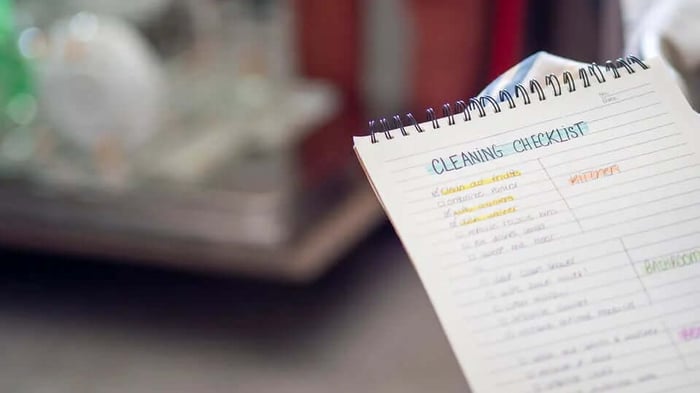
- Microfiber cloths & sponges
- Scrub brushes (small & large)
- Mop & bucket, vacuum with attachments
- Dusting wand or extension duster
- Baking soda, white vinegar, mild multi-surface cleaner
- Glass cleaner
- Rubber gloves
- Garbage bags / recycling bags
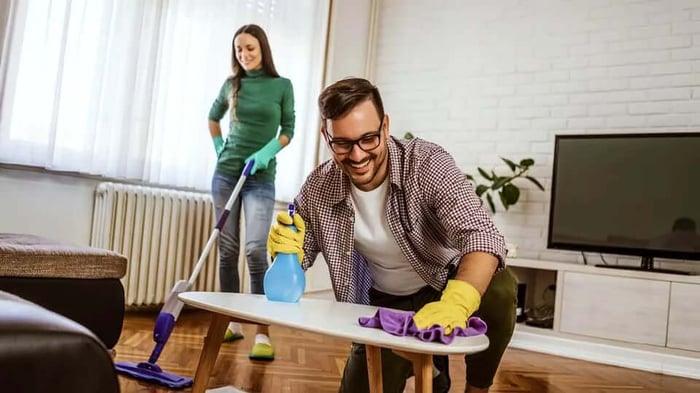
Timing & Strategy Tips
- Tackle one room per day or set aside a big weekend. Less overwhelm, more satisfaction.
- Work top-down: ceilings and vents first, then furniture, then floors. Dust falls downward.
- Wear gloves, open windows for ventilation.
- Play music or podcasts to make cleaning more fun.
How Self Storage Helps You Stay Clean & Clutter-Free
After deep cleaning, the biggest challenge is keeping it that way — and that’s where self storage comes in. Imagine having an extra space just for seasonal items, sentimental items you don’t want cluttering your shelves, or things you’re not quite ready to get rid of but don’t use regularly. You can clean right now and put those extras out of the way until you need them. Less clutter means less cleaning needed in daily life—and when your home isn’t bursting with items, it’s easier to maintain that clean, calm feeling.
If you’re ready to simplify your life and keep your home feeling fresh, consider storing items you’re not using or love but don’t display. Find self storage near you now, reclaim your space, and enjoy a cleaner, more peaceful home every day.
FAQs
How often should I deep clean my home?
Most rooms benefit from a deep clean every 3–6 months, though high-traffic areas may need it more often.
What supplies should I gather before deep cleaning?
A vacuum, microfiber cloths, disinfectants, sponges, degreasers, brushes, and protective gloves are essential.
How can I prevent mold in bathrooms during deep cleans?
Ventilate the room, scrub tiles and grout, clean the shower, and use mold-preventing cleaners regularly.
What’s the most commonly overlooked cleaning area?
Areas behind appliances, ceiling fans, inside drawers, and baseboards often get missed.


