
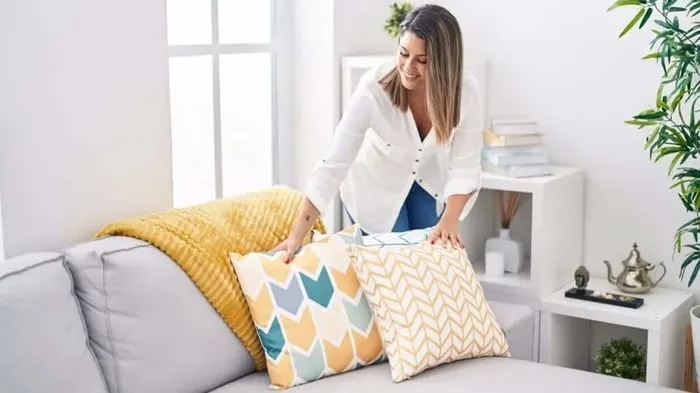

What if the secret to your New Year's home organization goal wasn’t getting rid of things, but just getting them out of the house? For many, a clutter-free home starts with creating breathing room first. Self storage is a powerful tool for this, offering a temporary, safe home for your belongings. It allows you to sort and organize at a comfortable pace without making rushed decisions you might regret.
This guide simplifies the process into three key steps: choosing the right storage unit size, deciding on what type to use (like climate control), and packing like a pro.
What Size Storage Unit Do I Actually Need? 
To avoid overpaying for space you don’t need, it’s crucial to translate abstract dimensions like "5x5" or "10x10" into familiar, real-world sizes. Think of storage units as extra rooms and match the storage unit size to a common space in your home.
- 5x5 Storage Unit (25 sq. ft.):About the size of a large hall closet. Perfect for stacking boxes, holiday decorations, or a student's dorm room contents.
- 5x10 Storage Unit (50 sq. ft.):Similar toa walk-in closet. It can hold a queen-sized mattress, a dresser, and several boxes.
- 10x10 Storage Unit (100 sq. ft.):Roughly halfthe size of a standard one-car garage. This popular choice can typically fit the contents of a one-bedroom apartment.
- 10x15 Storage Unit (150 sq. ft.):A bit smaller than a standard bedroom, this size is ideal for storing the contents of a two-bedroom apartment between moves.
Correctly estimating the size ensures you only pay for the space you’ll use. Once you have a size in mind, the next question is how to protect the items inside.
Climate Control: Is It Worth the Extra Cost for Your Belongings?
Beyond size, the most important decision is choosing between a standard drive up storage unit and a climate-controlled one. A standard storage unit is like a garage, exposed to outdoor heat, cold, and humidity. In contrast, a climate-controlled storage unit functions like a room in your house, maintaining stable temperature and humidity levels year-round.
The real threat to many belongings isn’t just temperature but moisture. High humidity can cause wooden furniture to warp, electronics to corrode, and delicate fabrics to develop mildew. Over time, it can make photographs stick together and documents turn yellow and brittle. If you are planning long-term storage for antiques, leather goods, artwork, or sensitive media, the protection offered by climate controlled self storage is essential.
When should you pay for it? A good rule of thumb is to consider what you're storing and for how long. If your items wouldn't survive a year in a garage, you need climate control. For short-term needs involving sturdy items, you can likely save money with a standard storage unit.
The Smart Way to Pack Your Storage Unit for Easy Access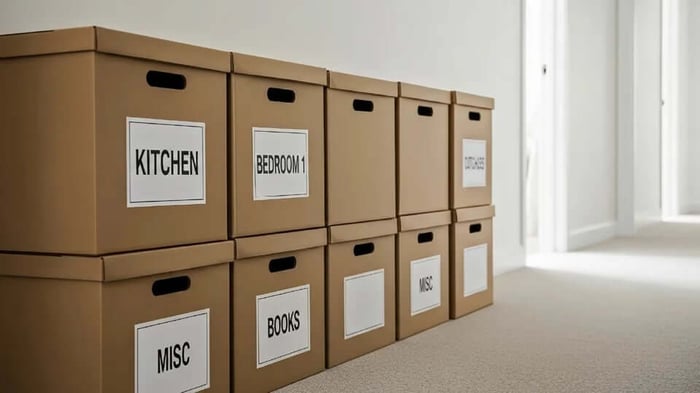
Once you’ve chosen your storage unit, how you load it makes all the difference. Place your heaviest, least-needed items along the back wall first, then build forward, stacking lighter boxes on top of heavier ones. This prevents crushed belongings and helps you create a space you can actually use.
It’s also important to leave a walkway down the middle. This small sacrifice in space pays off immensely by giving you room to navigate and reach items without having to unpack everything. A simple path is the secret to making your storage unit feel like an organized spare room instead of a chaotic puzzle.
Finally, make every box a time-saver with clear, specific labels. Don't just write "Kitchen"—be specific, like "Kitchen: Small Appliances" or "Holiday Decorations." Using a thick marker, label each box on the top and at least one side facing your walkway. This habit turns a wall of mystery boxes into a searchable inventory.
What You Absolutely Cannot Put in a Storage Unit
Storage facility rules on what you cannot store exist to protect your belongings and everyone else's from fire, pests, and other damage. Storing forbidden items can void your protection plan and lead to eviction, so be sure to leave these things at home:
- Flammable or combustible materials (gasoline, propane, paint, cleaners)
- Perishable food, which attracts pests
- Live plants or animals
- Hazardous materials
Make sure you read your lease – other items not listed here may also be prohibited, and many storage facilities limit what kinds of vehicles can be stored.
Your Action Plan for a Clutter-Free New Year 
You now have the framework to evaluate different self storage solutions and make a confident choice. Enjoy having extra space in your home this new year with the help of a storage unit.
Ready to rent? Mini Mall Storage has more than 270 storage facilities across North America to help you find storage units near you today!
FAQs
How do I start decluttering my home using Mini Mall Storage?
Start by sorting items into “keep at home,” “store,” “donate,” and “trash.” Move the “store” pile into a Mini Mall Storage unit so your home stays clear while you finish organizing.
What should I put in self storage to free up space at home?
Great candidates include seasonal décor, bulky winter/summer gear, extra furniture, keepsakes, spare tires, tools, and archived paperwork (when stored properly).
What size storage unit do I need for home organization?
A 5x5 works for boxes and seasonal items, a 5x10 fits small furniture and multiple bins, and a 10x10 can hold the contents of a small apartment or several rooms of overflow.


