

- First, Do Your Research
- Know Your RV Types
- Set A Realistic Budget
- Consider Your Lifestyle Needs
- Inspect Before You Buy
- Think About Storage
- FAQs
RV buying is more than just a purchase — it’s the start of a lifestyle. Whether you’re chasing weekend getaways, planning a cross-country road trip, or dreaming of living on the road, there’s an RV that fits your vision.
But before you hit the lot, it’s important to know what you’re looking for, how different RV types suit different lifestyles, and how to keep your investment safe and organized.
First, Do Your Research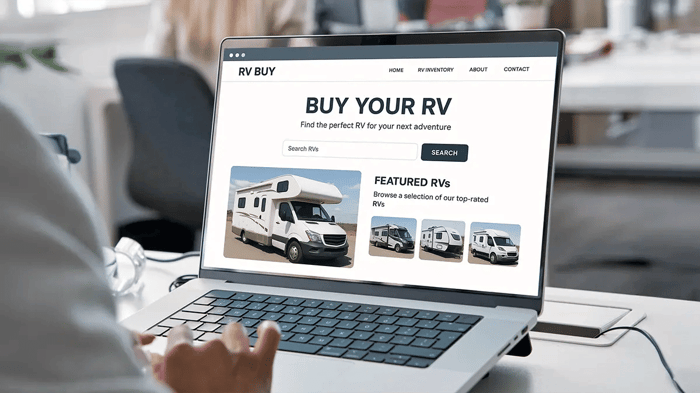
Before making the leap into RV ownership, take a step back to see if this lifestyle is the right fit. Start small by renting an RV for a weekend trip to test the waters and get a feel for life on the road. Connect with an RV community — online forums, local clubs, and social media groups — to gather tips, advice, and first-hand experiences from seasoned owners. Doing this homework upfront ensures you’re confident in your decision and ready to enjoy every mile of your adventure.
Know Your RV Types
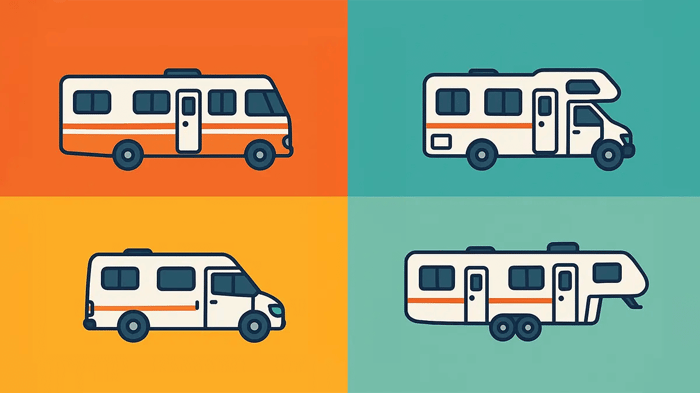
RVs come in all shapes and sizes, and choosing the right type depends on your travel style:
- Class A Motorhomes: Big and luxurious — perfect for families or extended trips. Think of it as a tiny, mobile mansion.
- Class B Campervans: Compact and nimble — ideal for solo travellers or couples who value flexibility.
- Class C Motorhomes: A sweet middle ground — combining comfort with maneuverability.
- Travel Trailers & Fifth Wheels: Towable options that allow you to detach your RV at the campsite and explore locally without packing up.
Consider your needs carefully, because space, fuel efficiency, towing capability, and storage options are all part of the equation.
Set A Realistic Budget
These days, RV buying costs range from $10,000 to upwards of $300,000. But the price goes beyond the sticker. Factor in insurance, maintenance, fuel, campground fees, and even accessories, like levelling blocks or portable grills. And remember, a slightly smaller or used RV can offer significant savings without compromising your experience.
Consider Your Lifestyle Needs

Your RV choice should match your lifestyle. Are you planning weekend trips close to home, or do you envision a full-time mobile life? Do you need a dedicated workspace for remote work or a kitchen setup for family meals? Matching your RV to your lifestyle ensures your adventures are stress-free and enjoyable.
Inspect Before You Buy
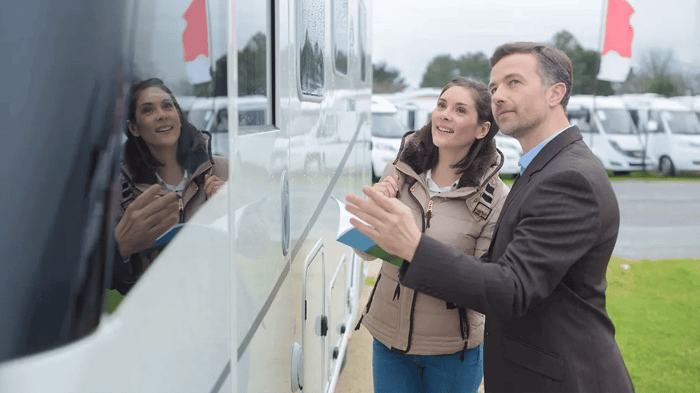
Even new RVs need a careful eye. Check for leaks, electrical issues, and working appliances. If buying used, request maintenance records and consider a professional inspection to avoid surprises down the road.
Think About Storage
RVs are big investments, and proper storage is key. Whether you’re between trips or off-season, a secure storage unit keeps your RV safe and ready to hit the road. Mini Mall Storage offers covered and uncovered bays perfect for RVs, ensuring your vehicle — and all your gear — stays protected. You can also store seasonal equipment like outdoor furniture, bikes, or camping gear in the same unit to maximize convenience.
Some of our storage facilities with RV parking bays include West Memphis, AR and Enterprise, AL, but we have locations all over North America! No matter where your RV buying takes you, chances are we'll be there.
RV buying opens the door to adventure, flexibility, and unforgettable memories. By understanding your options, budgeting wisely, and thinking ahead about storage and maintenance, your first RV experience can be smooth, exciting, and worry-free.
Explore RV storage with Mini Mall Storage today!
FAQs
What types of RVs are there, and how do I know which is right for me?
There are several RV classes (Class A, B, C), travel trailers, fifth wheels, pop-up campers, toy haulers, and more.
- Class A is the big, full-featured motorhome.
- Class B is more compact and van-like.
- Class C is a mid-size mix.
- Trailers / Fifth Wheels are towed instead of self-driving.
Your choice depends on how much space you want, how comfortable you are towing, your budget, and how often you plan to move vs stay in one place.
How much should I budget for an RV (purchase + ongoing costs)?
Beyond the purchase price, factor in: insurance, fuel, maintenance, registration, storage, campground fees, repairs, and utility hookups. Many people underestimate the upkeep. A modest budget cushion for repairs and upgrades is smart.
What are the essential systems and features to inspect (or ask about)?
- Plumbing / water system (fresh water, gray/black tanks, pumps)
- Electrical / power systems (shore power, inverter, batteries, solar readiness)
- HVAC / heating / air conditioning
- Appliances (fridge, stove, oven, microwave)
- Propane systems
- Slide-outs / awnings / roof condition
- Chassis, frame, undercarriage, suspension
- Safety systems (brakes, lights, seat belts, carbon monoxide detectors)


