
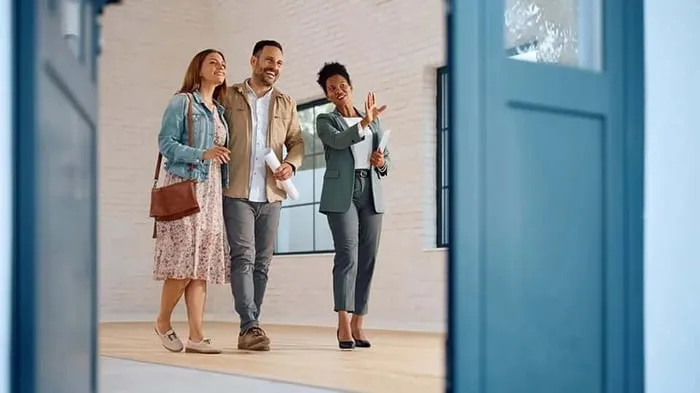

Finding the perfect apartment is a lot like dating: everything looks great on the first "date" (the tour), but you need to ask the right questions to make sure you aren’t headed for a heartbreak—or a massive bill—six months down the road.
Whether you’re a first-time renter in a college town or a seasoned professional moving to a new high-rise in the USA or Canada, the lease you sign is a major legal commitment. At Mini Mall Storage, we help thousands of people navigate the moving process every year, and we’ve noticed that the happiest tenants are the ones who did their homework before getting the keys.
To help you transition smoothly, we’ve expanded our ultimate renter’s checklist. Here are the essential questions to ask—categorized so you don't miss a beat.
1. The Financials: Beyond the Monthly Rent
 In today’s market, the "sticker price" is rarely the final number. You need to uncover the total cost of occupancy.
- **What utilities are included?**Don'tassume. In Canada and the northern US, heat can be a massive expense. Ask specifically about water, electricity, gas, and trash.
- **Is there a "Ratio Utility Billing System" (RUBS)?**Some buildings split the total utility bill among all residents based on square footage rather than individual usage. This can lead to higher bills if your neighborsaren'tenergy-conscious.
- *Whatare*the upfront move-in costs?**Beyond the security deposit, ask about application fees, administrative fees, or "key deposits" (which are common and regulated differently across Canadian provinces).
- **What is the late fee policy?**Life happens. Know exactly when rent is considered late and what the daily or flat-rate penalty is.
- **How does the rent increase work?**Ask if the unit is rent-controlled (especially in places like Ontario or British Columbia) or if there is a standard percentage increase you should expect at renewal.
2. Technology & Connectivity
In 2026, a "habitable" apartment must be a functional digital workspace.
- **Who are the internet service providers (ISPs)?**Some buildings have exclusive "bulk internet" agreements. Ask if you are forced to use their provider or if you can bring your own.
- **Is the building "Smart"?**Does it use smart locks, Nest thermostats, or integrated lighting? Ask if there is a monthly "tech fee" for these features and if the building provides a unified app to control them.
- **How is cell reception in the actual unit?**Don'tjust check the lobby. Walk to the back of the bedroom or the bathroom and check your bars. Solid concrete high-rises can sometimes be "dead zones."
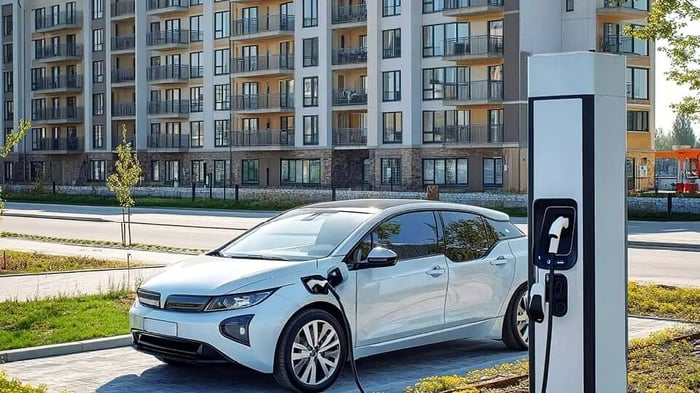
- **Are there EV charging stations?**If you drive an electric vehicle, ask about availability, charging speeds, and if there is a flat monthly fee or a pay-per-use system.
3. Maintenance & Building Health
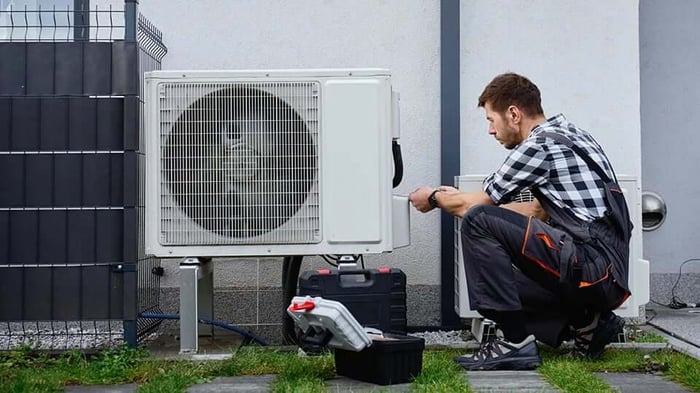
You want to know that the property is managed by people who care about its longevity.
- **How do Isubmita maintenance request?**Is there a 24/7 emergency line for things like burst pipes or broken furnaces?
- **What is the "Notice to Enter" policy?**In most of North America, landlords must give 24 hours' notice. Confirm they follow this and ask how they communicate it (text, email, or paper on the door).
- **When was the last major renovation?**Ask about the age of the roof, the HVAC system, and the appliances. If the dishwasher looks likeit’sfrom the 90s, it might be an energy hog.
- **Is there a pest control schedule?**A proactive landlord has a preventative plan. A reactive one only calls the exterminator oncethere’san infestation.
4. Lifestyle & Community Rules
 The "vibe" of a building can make or break your experience.
- **What is the guest policy?**Some leases limit overnight guests to a certain number of days per month. If you have a partner whodoesn'tlive with you, this is vital information.
- **What are the "Quiet Hours"?**This is especially important if you work the night shift or if the building has a lot of young families or students.
- **What is the pet policy (really)?**Ask about "pet rent," non-refundable pet deposits, and breed/weight restrictions. Also, check if there is a designated relief area or dog wash station.
- **Can I sublet or use the unit for Airbnb?**If you travel for work, you may want theoptiontosublet. Be aware that many modern leasesstrictly prohibitshort-term rentals like Airbnb.
- **What is parking like?**Many landlords and property management companies provide car decals or designated parking spaces for residents.If you or your partnerhavemore than one car,it’sworthchecking to see what the policies are.
5. Safety & The Neighborhood
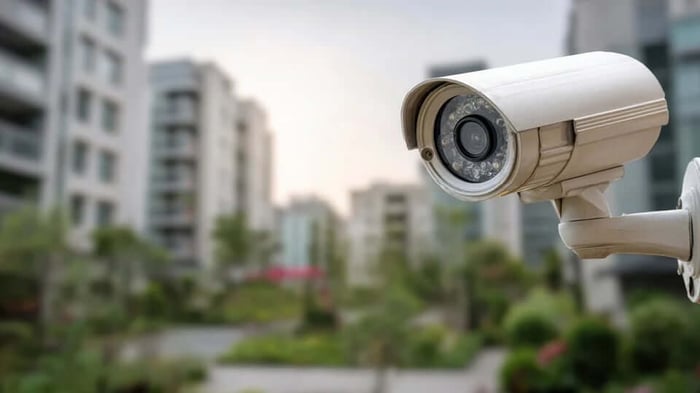
- **How is package delivery handled?**With the rise of "porch piracy," ask if there are secure lockers (likeLuxerOne) or a package room.
- **What is the lighting like at night?**If possible, visit the area after dark.Arethe parking lots and walkways well-lit?
- **Are there any upcoming construction projects nearby?**A beautiful view can disappear quickly if a new high-rise is scheduled to break ground across the street next month, or if your landlord decides the property has space for another building.
The "Size Gap": When the Perfect Unit is Just a Little Too Small
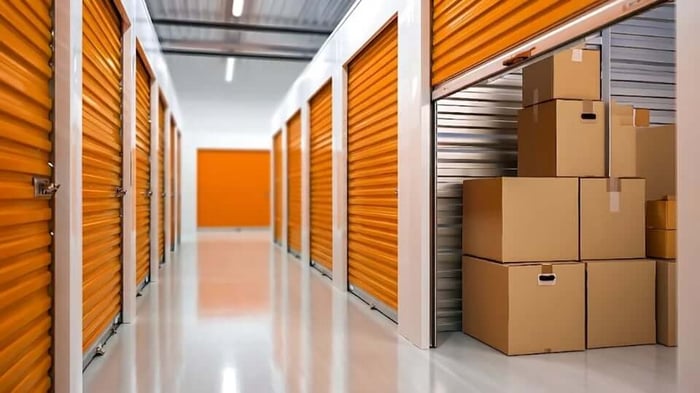
You’ve asked all the right questions, and you’ve found a place that checks every box—except one. The closets are tiny, there’s no basement, and you have no idea where your mountain bike, seasonal wardrobe, or holiday decorations are going to live. It might have very little parking, so you only have space for one car.
This is the reality of modern renting: as urban living becomes more popular, square footage often shrinks. But you shouldn't have to choose between a great neighborhood and keeping your belongings.
How Mini Mall Storage Makes Renting Easier
At Mini Mall Storage, we act as the "extra closet" you wish your apartment had. Here’s why savvy renters across the US and Canada use self storage as part of their lifestyle:
- **Seasonal Swapping:**Keep your summer gear (kayaks, camping equipment, patio furniture) in storage during the winter, and swap it for your skis and heavy coats when the snow flies.
- **Business from Home:**If you’re an entrepreneur or a "side-hustler,"don't let your inventory take over your living room. A small storage unit is a cost-effective warehouse for your business.
- **The "In-Between" Solution:**If your move-out date and move-in date don't align perfectly, or if you’re downsizing from a house to an apartment, a storage unit gives you a safe place to keep your belonging while you figure out the layout of your new home.
- Climate Protection**:**Our climate-controlled storage units are perfect for protecting items that are sensitive to the humidity or extreme cold often found in older apartment basements or attics.
- Vehicle Storage:Parking can be a hassle if you have more than one vehicle, especially if you live in a major city without parking. Depending on your storage facility, we offer everything from parking spaces to covered bays.
Don't let a lack of square footage keep you from signing the lease on your dream apartment. Ask the right questions, secure your new home, and let us handle the extra space.
Not sure what size you need? Take a look at our Interactive Storage Size Guide to see how we can help you fit more life into your new apartment! If you’re ready rent, find storage near you online today at Mini Mall Storage.
FAQs
What questions should I ask before renting an apartment?
Before signing a lease, ask about rent, utilities, fees, parking, maintenance procedures, pet policies, guest rules, internet options, and lease renewal terms. Understanding these details can help you avoid unexpected costs and issues later.
What hidden fees should I look for when renting?
In addition to monthly rent, ask about security deposits, application fees, administrative fees, pet fees, parking charges, utility billing, and potential late payment penalties.
Are utilities usually included in apartment rent?
It depends on the property. Some apartments include water, trash, or heat, while others require tenants to pay all utilities separately. Always confirm what is included before signing a lease.


