

How to Pack and Store Picture Frames and Paintings
Ah, moving. A clean slate. A fresh start. A chance to start anew. It can be a time full of excitement and anticipation but also stress and anxiety. So much to do… so much to plan… so much to pack! If you’re freaking out about how you’re going to manage to get your entire life neatly sorted into a big pile of boxes, don’t worry, Mini Mall Storage has your back. From our complete moving guide to our post about moving trucks vs. portable containers, along with our moving, packing, and storage supplies—we’re here to help you break the “big move” into more manageable steps. Today, let’s focus on one of the simpler tasks: packing up your pictures and frames. Let’s go!

Step 1: Gather Supplies
Before you start taking all the Picassos and Van Goghs off the wall, gather some essentials first to treat each of your creative treasures with the care they deserve. Some supplies we recommend include:
- Packing paper or bubble wrap
- Packing tape
- Stretch wrap
- Cardboard or foam corners
- Sturdy moving or picture boxes
- Marker for labelling boxes

Step 2: Assess your inventory
Take stock of your paintings and frames to strategize your packing approach. For frames with glass, plan for separate packing or, at the very least, individual wrapping. For canvases of differing sizes, nest them together for added reinforcement and protection and to save space.

Step 3: Wrap Each Frame Individually
Even if you are packing them within a larger box, glass frames should be wrapped individually to give them a nice layer of protective padding. Simply lay down a sheet of acid-free packing paper or bubble wrap on a flat surface, place the picture or frame face down on the paper, and tape to secure.
Step 4: Protect Corners and Edges
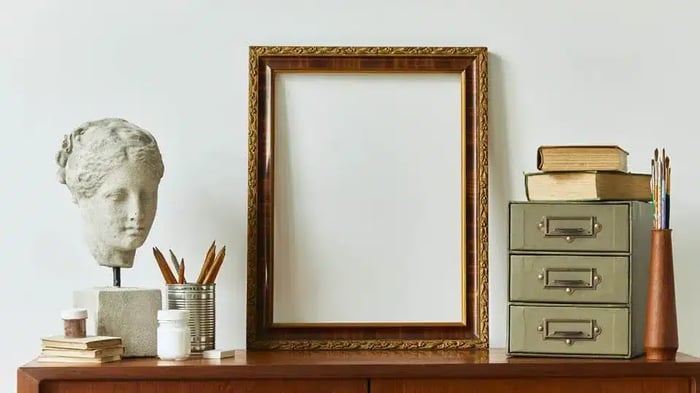
For frames with delicate or ornate edges, use cardboard or foam corners to provide a little extra protection. Don’t forget to wrap with additional bubble wrap or packing paper before securing the corners with tape.

Step 5: Choose the Right Box
Opt for sturdy boxes appropriate in size. Rather than stacking them on top of each other, which can increase the risk of breakage, stand pictures or frames upright. Larger frames can be packed individually. Smaller frames can be packed together in a box; just make sure it’s snug to prevent shifting. Consider adding a towel or blanket for extra cushioning and filling in any gaps in the box.

Step 6: Label the Boxes
Labelling is vital if you want to be able to find what you’re looking for later—and it can also provide good info for the movers to know too. Use arrows or “this side up” labels to indicate the correct orientation of the box and write “fragile” for anything you’re worried might break if handled too roughly.

Step 7: Store in a Climate-Controlled Environment
If storing pictures or frames for an extended period, choose a climate-controlled storage unit to prevent damage from humidity, temperature fluctuations, or pests.
By following these steps, you can rest easy knowing that your pictures and picture frames have been packed safely and are ready for the big move. Then you can go back to worrying about the 1001 other little details you have to take care of. Just remember, Mini Mall Storage is here to keep your valuables safe, secure, and ready for whatever direction you take.
With clean, convenient, and climate-controlled storage options, you can protect delicate artwork and frames from damage caused by temperature changes, humidity, and accidental bumps along the way — giving you one less thing to stress about during your move or renovation.
Find a self-storage unit near you!
FAQs
How should paintings be stored to prevent damage?
Paintings should be stored upright, never flat, and wrapped in breathable materials like packing paper or canvas covers. Avoid plastic directly against artwork to prevent moisture buildup.
Should picture frames be stored vertically or flat?
Picture frames and artwork should always be stored vertically, similar to books on a shelf. Flat stacking increases the risk of warping, cracked glass, and pressure damage.
Is climate-controlled storage important for artwork and frames?
Yes — climate-controlled storage helps protect frames, canvas, and paint from humidity, temperature fluctuations, mold, and warping, especially for long-term storage.


