
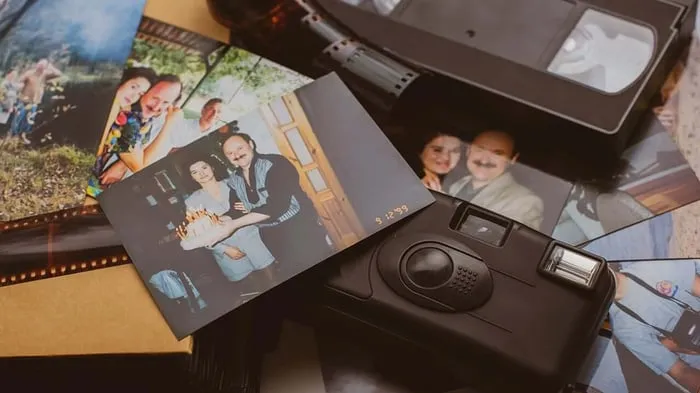

Whether you’re a professional photographer or the keeper of treasured family memories, proper photo storage is important for preserving the quality and longevity of your photographs. From what storage containers to use to what temperature and humidity ranges are ideal; we’ve got your perfect guide to keeping family memories and other photos safe.
Organizing and Storage Containers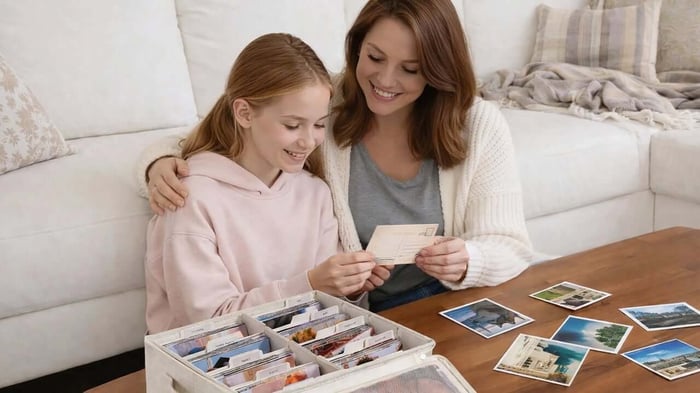
Organization should always be your first step for anything storage related. Sort pictures in whatever way most appeals to you – we prefer chronological order – and make sure you store them in an acid-free album to prevent damage from harmful materials.
If albums aren’t your preferred method of storage, we recommend archival photo boxes, as they’re also specifically designed with materials that help prevent damage. These tend to be the more expensive option, so it’s up to you whether the extra security is worth the risk.
Either way, we recommend acid-free because it helps prevent the brittleness and yellowing you often see in old photographs and news clippings.
Whether you use albums or archival boxes, the next step is to store them in waterproof bins or similar containers. It might seem like overkill, but a regular cardboard box won’t keep your memories safe from a flood or a burst pipe during particularly bad weather.
Climate-Controlled Storage Is a Must for Photos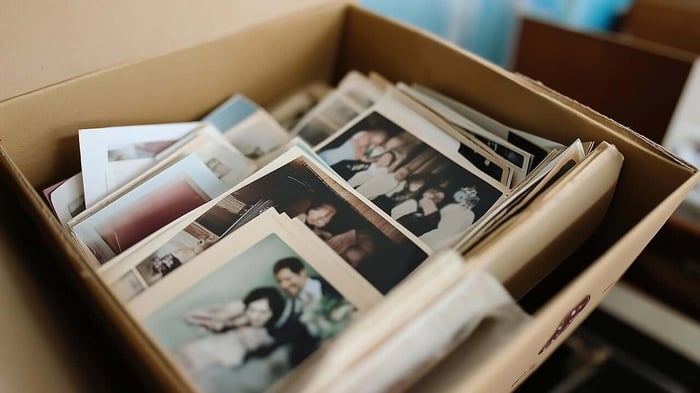
Some of the biggest threats to physical images are light, heat, and moisture – including humidity. Climate controlled storage units protect against all 3, considering they offer an enclosed space that’s kept within designated temperature and humidity ranges year-round. Read on to learn more about the different types of damage your photos can undergo when stored improperly and how self storage can help you avoid them.
Effects of Humidity on Photographs
Humidity levels above 50% cause an increase in oxidation, fading, and increased risk of fungus, while humidity levels that are too low (under 30%) can cause brittleness and shrinkage. The ideal archival humidity is around 40%, which is generally hard to accomplish within your own home. While we generally find the sweet spot for self storage is around 55%, speak to a member of your storage facility’s staff and ask them what humidity ranges their properties usually fall within.
Effects of Temperature on Photographs 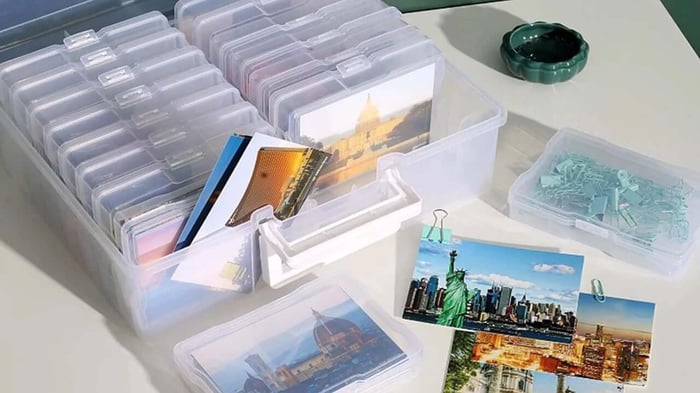
Temperature is one of the main culprits behind photo deterioration. More heat = more chemical reactions = more deterioration. The ideal temperature generally falls between 60-65 F (15.5- 18.3 C) - lower tends to better. You can also help account for temperature and humidity fluctuations with the type of storage containers you use, so keep that in mind as well.
Effects of Light on Photographs
You know sunlight and UV rays can be damaging to your skin, and your pictures are no different. While for newer photos you’ll likely have digital backups available, older photos you’d like to display need a little more care, as light damage is permanent. Copies of vintage photos are preferred, as scanning does minimal damage to them, but if you display the originals, be sure to choose a location out of direct sunlight and use an archival quality frame with glass that has UV protection.
Pests and Mold Can Threaten Photos Too
Pests like rodents and bugs love to chow down on your images, and they’re not the only threats – mold can be an issue if humidity levels are too high, too. Climate-controlled storage helps account for both, especially since storage facilities offer regular pest control, but we still recommend checking on your stored photos every so often to ensure there are no issues.
- Check out the Nebraska State Historical Society if you’re looking for more information on how to protect your photos and other archival documents!
Have Digital Backups 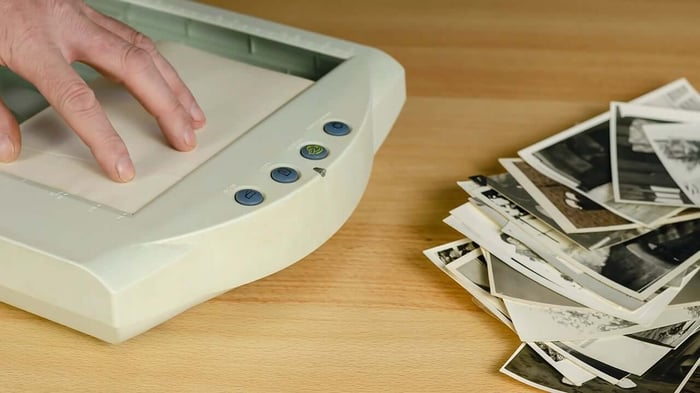
A digital copy can never replace the handwriting on the back of the photo, but if worst comes to worst, you’ll still have an image of the memory itself for safekeeping. If you don’t already have digitized copies, your smartphone is usually capable of taking scans and uploading to your storage of choice (we prefer Google Drive or Amazon Photos for their ease of use, but a separate hard drive isn’t a bad idea, either).
If the pictures are particularly important to you, consider using multiple methods of backup!
How Self Storage Can Help Preserve Your Photos
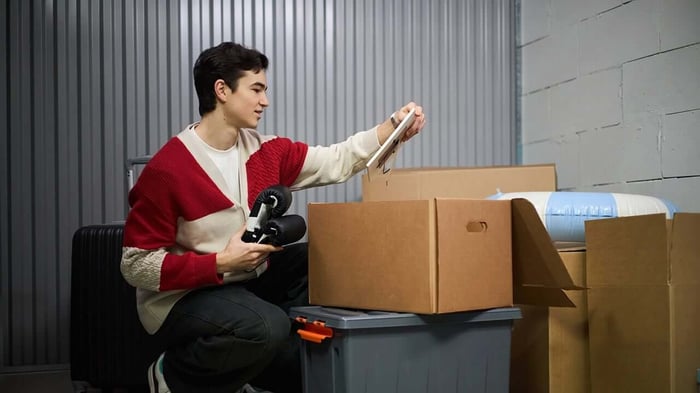
Looking for a dedicated space to store all your images that’s safe, secure, and has designated temperature and humidity ranges? A climate-controlled storage unit at Mini Mall Storage might be perfect for you! With excellent security features like high fences, gated keypad entry, and 24-hour digital surveillance cameras we’re here to keep your goods safe with seamless self storage that’s perfect for every budget.
Find a storage facility near you and preserve your memories – we have more than 250 across North America, so we’re always close to home. Rent a Mini Mall Storage unit today!
FAQs
What is the best way to store printed photos long term?
The best way to store printed photos long term is in acid-free albums or archival-quality photo boxes, placed inside waterproof containers and kept in a cool, dry, climate-controlled environment.
Should photos be stored in climate-controlled storage?
Yes. Climate-controlled storage helps protect photos from heat, humidity, and moisture, which can cause fading, warping, mold growth, and brittleness over time.
What temperature is ideal for storing photographs?
The ideal temperature for photo storage is between 60–65°F (15–18°C). Lower, stable temperatures help slow chemical reactions that lead to photo deterioration.


