


Few experiences match the freedom of spending a full day out on the water. Whether you are launching a motorized boat onto an expansive lake, paddling a kayak down a lazy river, or anchoring a pontoon in a quiet cove for an afternoon swim, the open water offers an ideal escape from the routine of daily life. However, a successful day on the water requires careful logistical preparation. Unlike a standard park picnic, once you leave the dock or launch ramp, turning back to grab a forgotten item can disrupt your entire schedule. Leaving the shoreline without key safety, comfort, or hydration essentials can transform a relaxing day into a stressful situation. To ensure your next aquatic excursion goes off without a hitch, use this comprehensive guide to pack like a seasoned professional.
1. Safety Equipment and Legal Documentation
Safety should always be the foundation of your packing strategy. Before considering entertainment or food, verify that your vessel is fully compliant with local marine regulations and equipped to handle unexpected situations.
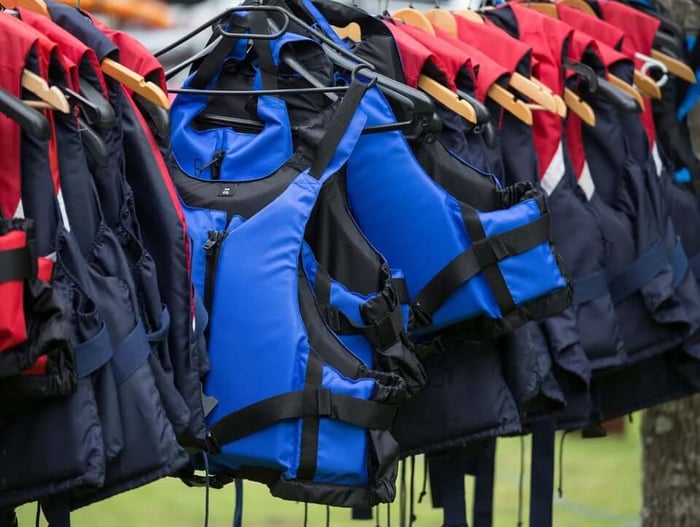
- **Life Jackets and PFDs:**You must carry a Coast Guard-approved Personal Flotation Device for every single passenger on board. Ensure that the life jackets are properly sized for the weight and build of the individuals wearing them, including specialized vests for infants, children, and even family pets.

- **First-Aid Kit:**Pack a fully stocked, waterproof medical kit containing adhesive bandages, antiseptic wipes, gauze, medical tape, tweezers, and pain relievers. It is also wise to include motion sickness medication and an over-the-counter antihistamine for unexpected stings or allergic reactions.
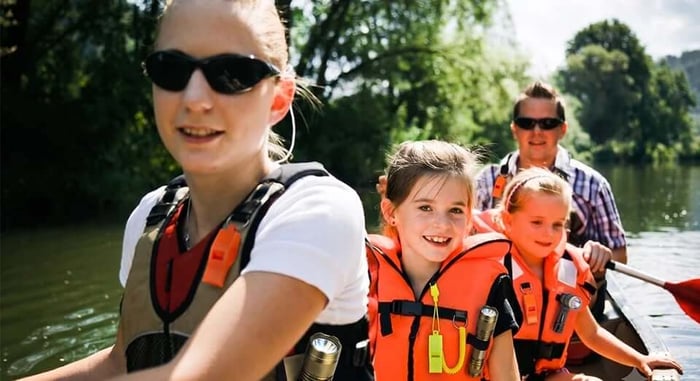
- **Emergency Signaling Devices:**Keep a functional whistle or air horn within arm's reach to signal other boaters in low-visibility conditions. If you are operating a motorized boat, confirm that your marine fire extinguisher is fully charged and that you have a high-powered, floating flashlight with fresh batteries.
- **Official Compliance Paperwork:**Keep your boat registration, personal identification, and boating safety certificates in a waterproof document pouch. If anyone in your party intends to fish, double-check that their state fishing licenses are current and accessible.
2. Advanced Protection from the Elements
Spending hours on open water exposes your body to intensified weather elements. Sunlight reflects off the water's surface, doubling your ultraviolet exposure and accelerating the risk of sunburn and heat exhaustion. 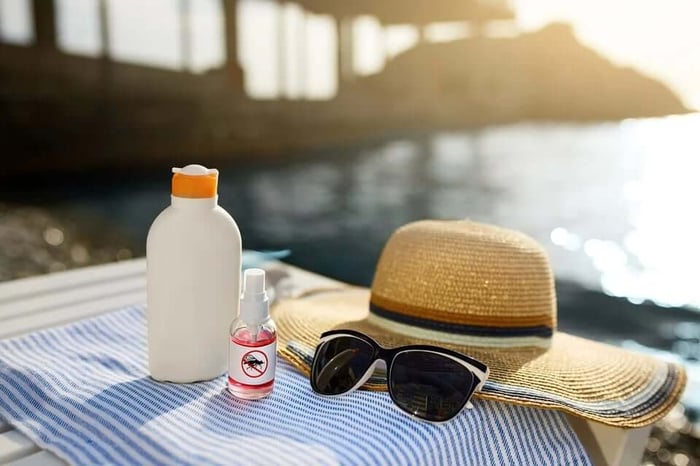
- **Broad-Spectrum Sunscreen:**Select a water-resistant sunscreen with an SPF of 30 or higher. Apply it before you leave the house and set a timer to reapply every two hours, particularly after swimming or heavy sweating. Do not forget an SPF-rated lip balm to prevent blistered lips.
- **Polarized Eyewear:**Standard sunglasses shade your eyes, but polarized lenses are designed to cut through the severe glare reflecting off the water. This dramatically improves your visibility beneath the surface, allowing you to spot shallow sandbars, submerged rocks, or swimming hazards.
- **Technical Apparel and Sun Hats:**Bring a wide-brimmed hat or a secure cap to shield your face and scalp. Lightweight, long-sleeved sun shirts or rash guards featuring UPF 50+ tracking are excellent choices for keeping you cool while blocking harmful rays without relying solely on sunscreen.
- **Insect Countermeasures:**Areas near riverbanks, marshy lakes, and coastal inlets are prime territory for mosquitoes, biting flies, and gnats. Keep a reliable insect repellent on hand to protect your crew as the sun begins to set.
3. Hydration Strategies and Fueling the Crew
Being out in the sun and wind drains your body of moisture much faster than you realize. Packing the right food and drink keeps energy levels high and prevents dehydration from cutting your excursion short.
- **The Primary Hydration Station:**Water is your most important asset. Pack far more fresh drinking water than you think you will need. Supplement your supply with electrolyte-infused sports drinks or coconut water to replenish lost minerals. Avoid relying heavily on sugary sodas or alcoholic beverages, as both accelerate dehydration under the hot sun.
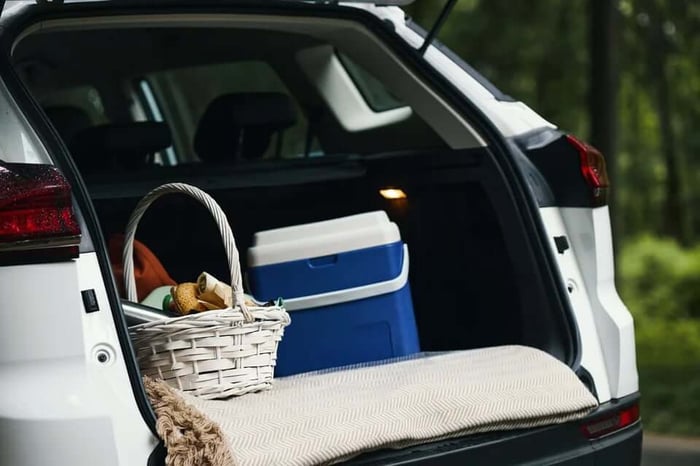
- **Insulated Cooler Management:**Use a high-efficiency, insulated cooler packed tightly with ice or frozen gel packs. A smart strategy is to use one cooler exclusively for drinks—which will be opened frequently—and a separate, smaller cooler for food to keep perishable items at a safe temperature all day.
- **Mess-Free Nutrition:**Opt for food that requires zero assembly and can be eaten with your hands. Premade wraps, turkey sandwiches, beef jerky, fruit slices, and trail mix are perfect water snacks. Avoid items containing heavy chocolate or mayonnaise, which can quickly melt or spoil in the heat. Pack everything in resealable, airtight bags to keep sandwich bread from becoming soggy due to melting cooler ice.
4. Apparel, Linens, and Comfort Upgrades
Comfort on a boat or beach is all about managing moisture. Temperature transitions on the water can be dramatic, with warm afternoons frequently giving way to brisk, windy evenings.

- **Linens and Quick-Dry Towels:**Pack at least one large beach towel per person. Microfiber quick-dry towels are highly recommended for water days because they absorb massive amounts of moisture, dry rapidly in the sun, and fold down into a fraction of the space required by traditional terry cloth towels.
- **Marine and Water Footwear:**Boat decks can become slick when wet, and riverbeds or lake bottoms often hide sharp rocks, broken shells, or invasive zebra mussels. Protect your feet with non-slip water shoes, rugged sports sandals, or deck shoes that offer reliable traction and drainage.
- **The Dry Change Zone:**Always pack a complete change of dry clothes, including a lightweight windbreaker or sweatshirt. Store these extra garments in a sealed plastic bag or dry tote so that if asudden downpouror a massive boat wake drenches your current attire, you have warm options waiting for you.
5. Safeguarding Electronics and Valuables
Water and delicate modern electronics are a disastrous combination. Protecting your communication and navigation devices is essential for both your entertainment and your safety.
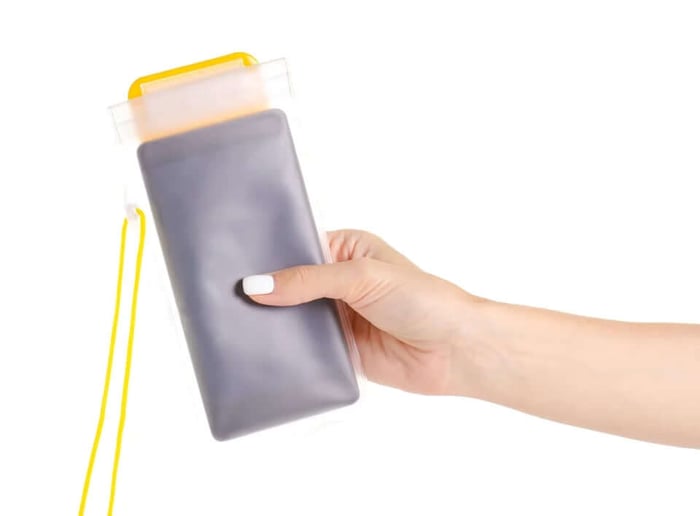
- **Heavy-Duty Dry Bags:**A roll-top dry bag is an essential investment for any water sports enthusiast. These bags lock out air and moisture, ensuring that your wallet, car keys, extra clothing, and expensive cameras remain completely dry even if the bag accidentally goes overboard.
- **Waterproof Smartphone Sleeves:**Clear, lanyard-equipped phone pouches allow you to use your touchscreen to take photos, check weather radar, or navigate via GPS without exposing the device to rogue splashes or wet hands.
- **Floating Keychains:**Standard metal keyrings sink instantly. Attach your boat and truck keys to a high-visibility, floating foam keychain or lanyard so they can be easily retrieved if dropped into the water near the dock.
- **Portable Power Banks:**Using your phone for music, photography, and navigation drains batteries rapidly. Keep a fully charged, portable power bank inside your dry bag to maintain emergency communication capabilities.
6. Recreation and Water Toys
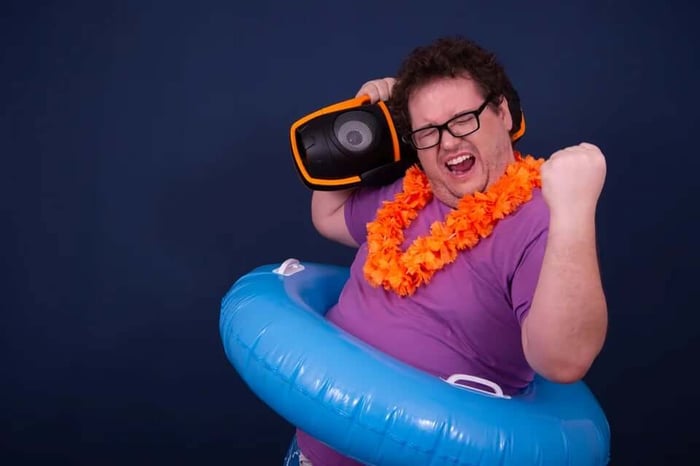
Once safety and comfort are secured, it is time to pack for entertainment. Choose gear that matches the interests of your passengers and the specific geography of your destination.
- **Inflatables and Towables:**Inflatable inner tubes, multi-person water mats, and pool noodles provide hours of stationary floating fun once your boat is safely anchored. Bring a compact, 12-volt electric air pump that plugs into your boat or truck accessory outlet to save your lungs during inflation.
- **Waterproof Audio Systems:**A rugged, floating Bluetooth speaker allows you to bring your favorite playlists along for the ride. Always be mindful of sound carrying across openwater andadjust your volume out of respect for nearby homeowners and fellow boaters.
- **Sporting Gear:**If you plan on exploring beneath the surface, pack snorkel masks and swim fins. For those looking to catch dinner, ensure your fishing rods, tackle boxes, and bait buckets are neatly secured to prevent tangling during transport.
Reclaiming Your Space: Post-Water Care and Smart Storage Solutions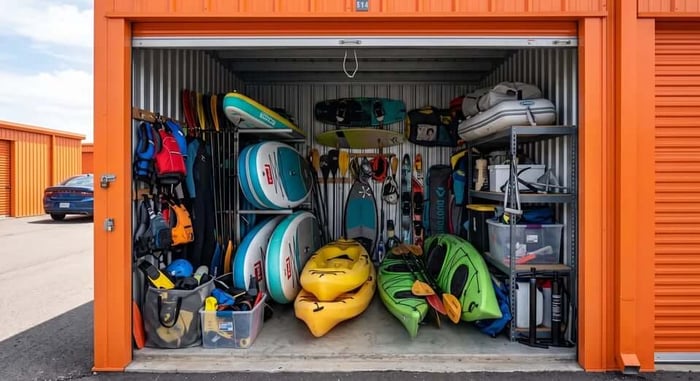
When a fantastic day on the water concludes, the work of unpacking begins. Returning home from the lake or river usually means dealing with a vehicle packed to the brim with damp towels, large coolers, wet life jackets, bulky wakeboards, and inflatable tubes that need to be washed and dried.
Allowing these items to sit in the trunk of your car or stacked in a dark corner of your garage is a recipe for mold, mildew, and structural deterioration. Proper maintenance requires rinsing your gear with fresh water to remove salt, sand, or algae, and allowing it to air-dry completely in a well-ventilated space.
However, finding the physical square footage to store large water recreation equipment can be a major challenge. Kayaks, stand-up paddleboards, ski ropes, massive coolers, and towable tubes occupy significant space, often forcing homeowners to sacrifice garage functionality or crowd their living rooms with seasonal gear.
This is where utilizing a self storage unit becomes an invaluable asset for outdoor enthusiasts. Mini Mall Storage provides the ultimate off-site garage solution, allowing you to keep your heavy-duty water gear safe, organized, and out of your way when you are back on dry land.
Choosing a climate-controlled storage unit is a smart move for protecting your water investments. Extreme temperature swings and humidity inside standard backyard sheds can weaken the seams of inflatable towables, degrade the foam inside life jackets, and warp fiberglass or plastic hulls on kayaks and paddleboards. A climate-controlled environment ensures these materials remain in pristine condition, extending the lifespan of your gear.
For those who spend every weekend on the water, accessibility is key. Our facilities offer convenient drive-up storage units too, allowing you to back your truck or trailer directly up to your unit door. You can drop off your wet gear, load up your alternative seasonal supplies, and head home without any heavy lifting across long hallways. Backed by top-tier security features including fully fenced perimeters, digital video surveillance, and electronic gate access via personalized PIN codes, you can rest easy knowing your expensive recreational investments are well-protected.
With flexible, month-to-month rental agreements, you can scale your storage space exactly to your seasonal needs, renting a large space during the active summer months and streamlining your storage as winter approaches. Don't let a lack of garage space keep you from enjoying your favorite water activities.
Ready to simplify your outdoor adventures? Explore our available storage options today to find the perfect home base for all your recreational equipment.
FAQs
Why is self storage helpful for water recreation gear?
Self storage is helpful for keeping water recreation gear organized when it is not in use. Items like life jackets, coolers, paddleboards, inflatable tubes, fishing gear, and towels can take up a lot of space at home. A storage unit gives you extra room while keeping your gear ready for your next day on the water.
What water gear can I keep in a storage unit?
You can store many types of water and outdoor gear, including kayaks, paddleboards, life jackets, towable tubes, coolers, fishing rods, tackle boxes, water shoes, dry bags, camping supplies, and boating accessories. Make sure all items are clean and completely dry before storing them.
How should I prepare water gear before putting it in storage?
Before storing water gear, rinse off dirt, sand, salt, or lake water and allow everything to dry fully. This helps reduce moisture buildup and keeps items like towels, life jackets, inflatables, and water toys in better condition while they are stored.


